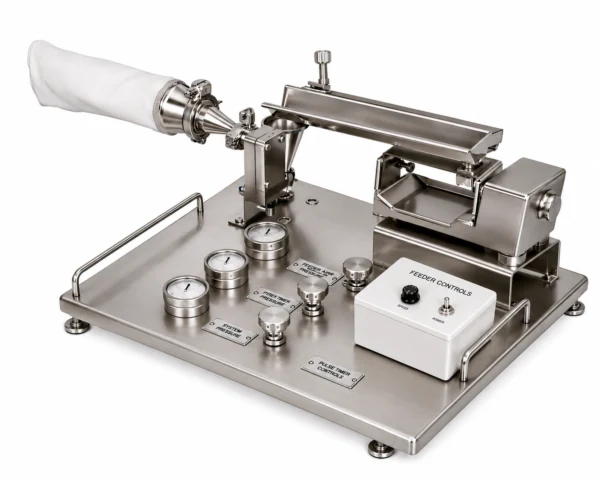
Fluid Energy Model 00 JET-O-MIZER
Dry fracture or deagglomeration when justified by the powder
Confirm: Feed behavior, gas compatibility, collection and particle damage.
View Fluid Energy Model 00 JET-O-MIZER
JET-MILLING SUITABILITY
Start with a laboratory jet-milling suitability review for your cathode powder. Define feed, gas, collection and retained particle properties before a trial.
A laboratory dry jet mill is a candidate for a defined cathode-powder fracture or deagglomeration task. Start with feed and collection behavior, gas compatibility and particle-integrity criteria. Precursor activation and additive blending are different tasks and may require supporting preparation equipment rather than a jet mill.
The Fluid Energy Model 00 JET-O-MIZER is one laboratory candidate shown in this section. Review dry-feed behavior, gas requirements, collection, recovery and wear surfaces with the team. A small amount of valuable powder may require particular attention to hold-up and representative recovery.
Do not select a jet mill merely because the target material is called a cathode. Finished NMC particles, Prussian White frameworks and sulfur-carbon mixtures raise different integrity and handling questions. Each needs an application-specific decision.
A planetary ball mill such as the RETSCH PM 100 is a candidate for fine grinding, mixing and mechanochemical experiments. For battery development, define the precursor reaction or deliberate modification being investigated, then select compatible tools and a characterization plan.
Jar volume is not the same as usable sample volume. Tool selection, sample behavior and the intended method determine the working quantity. Do not infer a battery-specific yield, particle size or synthesis result from the instrument’s general specifications.
A mixer mill such as the RETSCH MM 400 is a candidate for small-sample grinding, homogenization and defined mechanical research. It can be useful when aliquot preparation or comparing several small experiments is the priority.
Prepare a cleaning and tool-history record and preserve a reference sample. For elemental analysis, choose contact materials around the elements being measured. Contaminants from the preparation step can otherwise be mistaken for features of the research material.
If the particles already have the required size, an Alphie powder blender can be evaluated for distributing compatible dry ingredients. Define the blend objective and sampling method, then check uniformity and segregation after handling.
A closed-container blender is not automatically an inert-gas system, and powder blending does not establish coating or pore infiltration. Ask for the configuration and evidence required by the actual formulation rather than relying on the equipment category alone.
Record material identity, processing stage, feed preparation, tool composition, cleaning, mass balance and the complete cycle history. State measurement and acceptance methods before the run. Reserve enough untreated material and processed sample for repeat characterization.
For scale-up, identify which mechanism would need to be reproduced and which equipment or handling changes require another trial. Glen Mills can discuss equipment selection and free feasibility testing subject to scope and suitability. Agree on the sample quantity and safety information before shipping.
Dry fracture or deagglomeration when justified by the powder
Confirm: Feed behavior, gas compatibility, collection and particle damage.
View Fluid Energy Model 00 JET-O-MIZER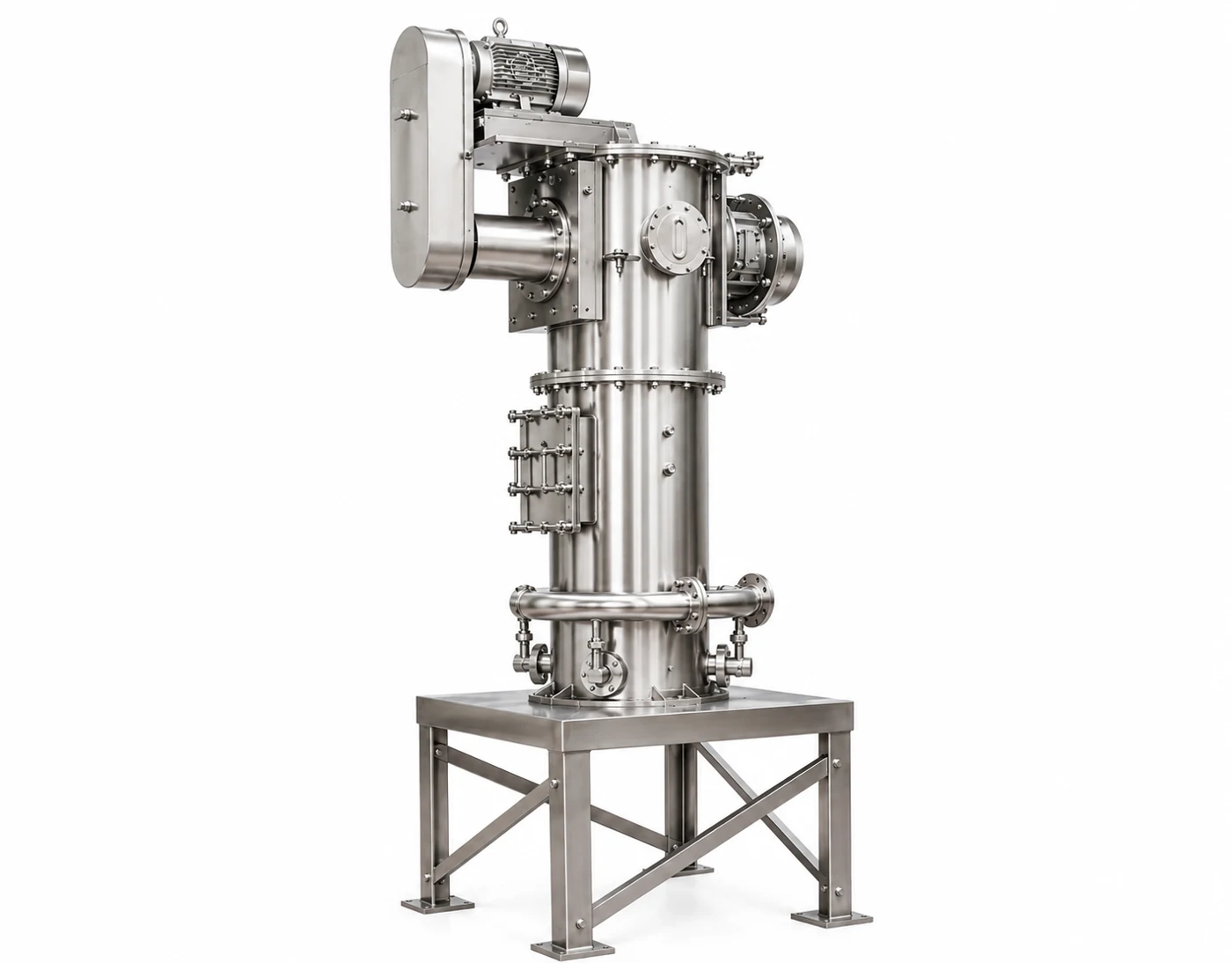
Jet-milling scale-up and active-classification review
Confirm: Material suitability, feed/collection configuration, capacity and scale-up validation.
View Fluid Energy ROTO-JET Jet MillThese are candidates for application review. Equipment listings do not establish cathode-specific performance, inert-gas capability or containment. Confirm the exact configuration with Glen Mills.
Precursor activation or ingredient blending is a different task from dry jet milling. These alternatives support a material-specific choice.
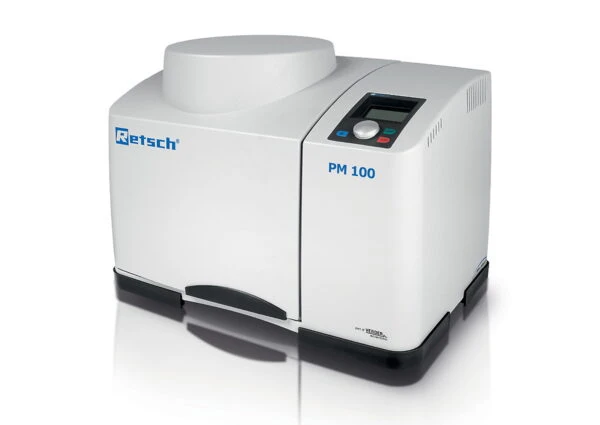
Precursor activation and defined mechanical research
Confirm: Jar and media compatibility, wear, temperature and retained phase.
View RETSCH PM 100 Planetary Ball Mill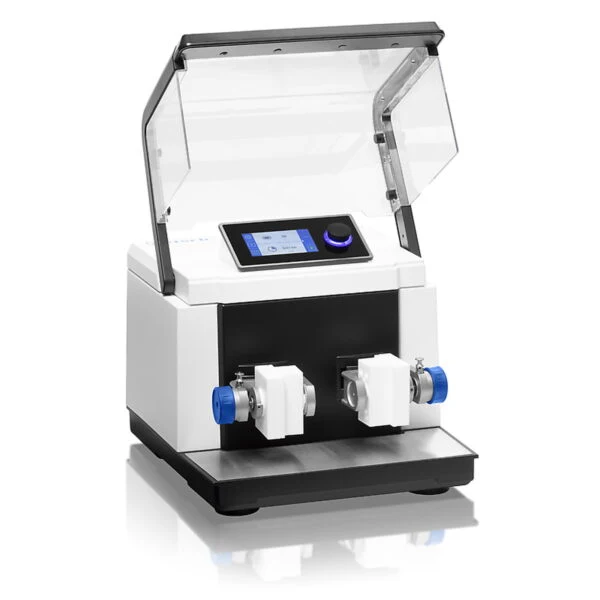
Small-sample grinding and analytical homogenization
Confirm: Representative aliquots, contact-material contamination and sample recovery.
View RETSCH MM 400 Mixer Mill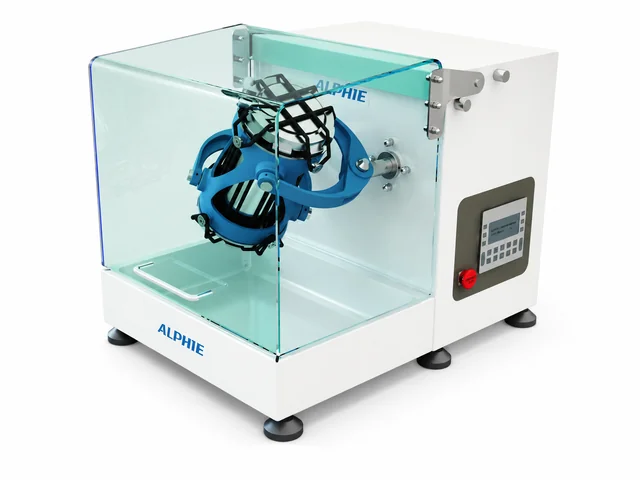
Closed-container blending without intentional grinding
Confirm: Blend uniformity, segregation and required handling configuration.
View Hexagon Product Development Alphie 3These are candidates for application review. Equipment listings do not establish cathode-specific performance, inert-gas capability or containment. Confirm the exact configuration with Glen Mills.
No. Mixing, mechanical activation, particle fracture and analytical homogenization have different requirements. Match the mechanism to the experiment.
There is no universal choice. Select contact materials around compatibility, wear, contamination limits and the manufacturer-approved method.
It can inform the next trial, but throughput, recovery, energy transfer and handling must be validated in the proposed larger process.
Prepared . Literature and manufacturer references support the discussion; they do not establish a tested Glen Mills recipe for your powder.
Share the chemistry, processing stage, working quantity and acceptance measures. Glen Mills can review equipment candidates and whether a feasibility test is an appropriate next step.