
Compression-based coarse preparation before finer processing.
SIZE REDUCTION
Smaller particles.
Bigger possibilities.
Explore crushing, dry and wet grinding, fine milling and cryogenic processing. The right starting point depends on your material and the result you need.
Not sure which option fits your work?Use the practical selection helper ↗
A PRACTICAL SELECTION HELPER
Find a practical starting point.
Choose an equipment family from the material behavior and preparation goal, then use its model helper for a closer comparison.
All options in this helper (13)
Cutting and shearing for suitable fibrous, tough or mixed feed.
Impact/shear routes for suitable dry samples.
Preliminary grinding or vibratory-disc analytical preparation.
Oscillating jars for small-sample grinding and research methods.
Media milling for laboratory preparation and solid-state research.
Gas-driven fine-powder processing with configured classification and collection.
Homogenize suitable food/feed samples with the right lid and container.
Pressure/friction for suitable powders, suspensions and pastes.
High-energy impact/friction with integrated water cooling for suitable research methods.
Ball/rod modules for larger samples, with separately configured Bond Index methods.
Larger-batch dry grinding with a 150 L drum and up to 35 L useful sample quantity.
Specialized preparation of suitable samples for subsequent X-ray diffraction.
START WITH YOUR OUTCOME
Find the right route from coarse feed to the particle size your process needs.
What this process can help you do
- Prepare powders for analysis or formulation
- Reduce coarse, hard or fibrous materials
- Explore fine, ultrafine and wet processing
What guides the selection
- Starting and target particle size
- Hardness, elasticity and heat sensitivity
- Batch size, throughput and contamination limits
TECHNOLOGY & EQUIPMENT
Explore the equipment families.
Learn about the processing principle, then discuss equipment and configuration with our team.

Coarse reduction and pre-crushing
Jaw crushers
Compression-based preparation of hard, brittle or tough feed before finer processing.
Explore equipment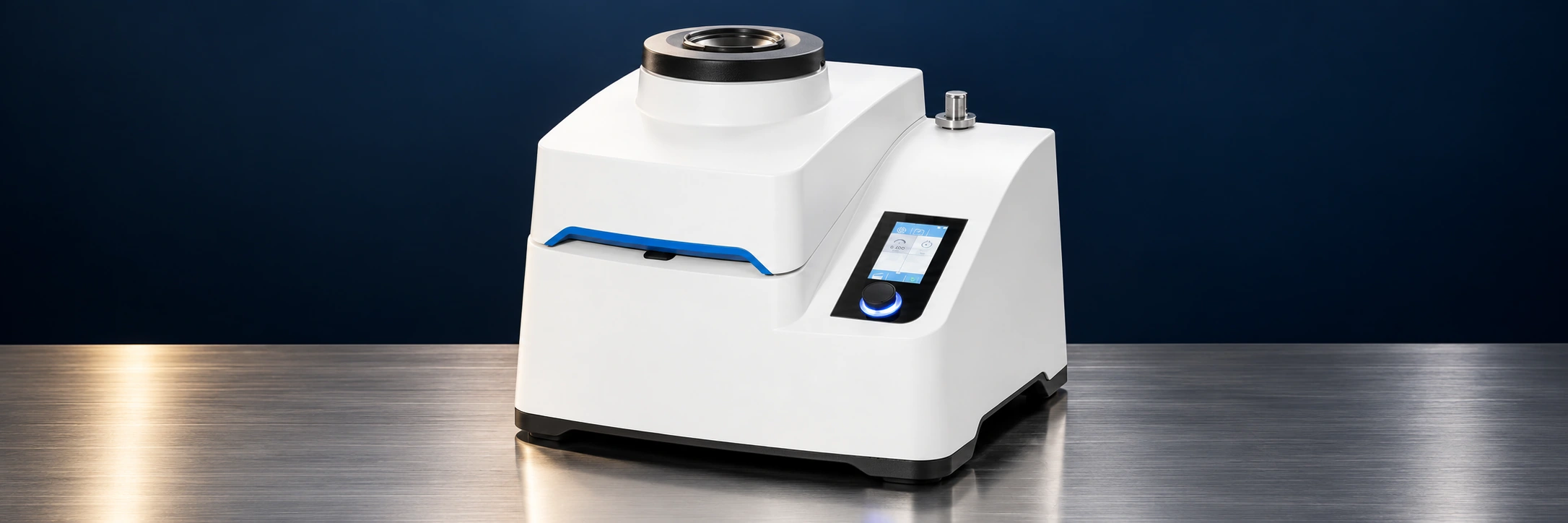
Impact grinding
Rotor milling systems
Explore impact-based processing for suitable soft to medium-hard, brittle and fibrous materials.
Explore equipment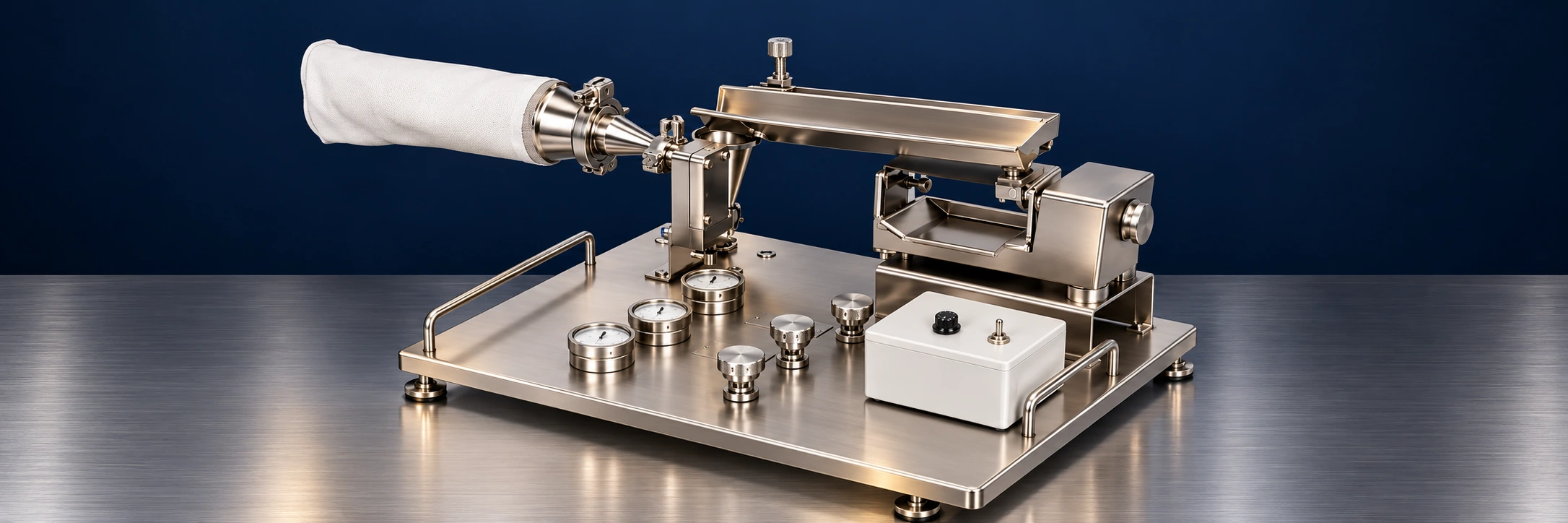
Fine and ultrafine processing
Jet milling systems
Particle-on-particle collision driven by compressed gas for applications requiring fine grinding.
Explore equipment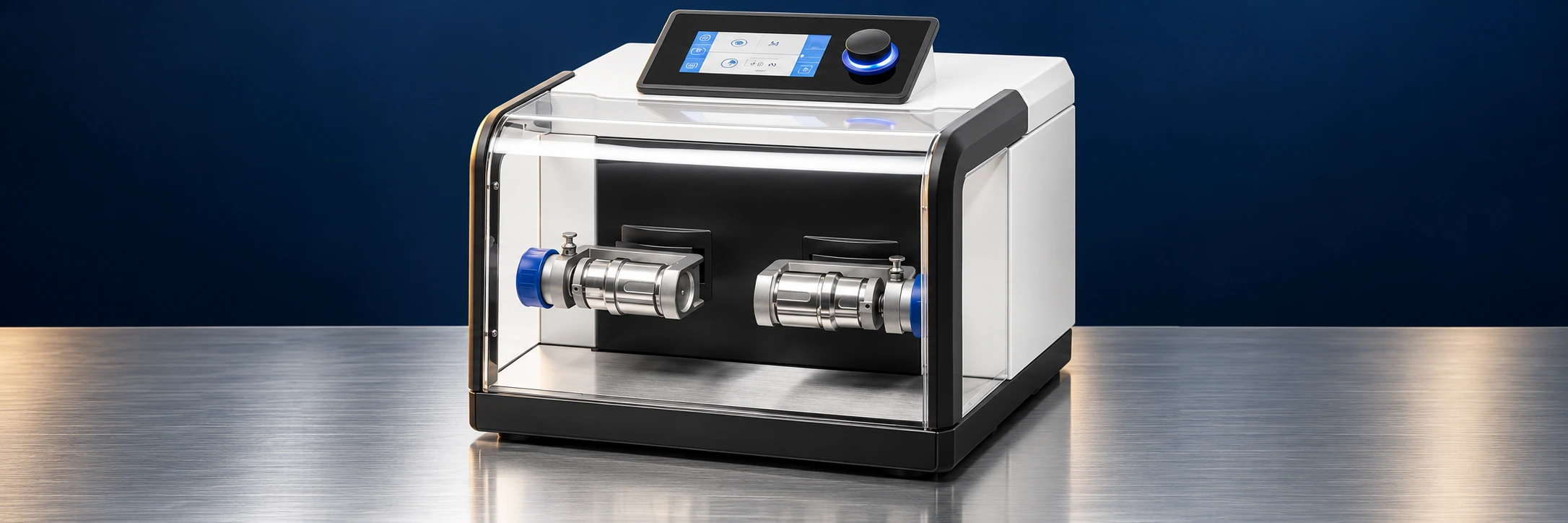
Small-sample preparation
Mixer mill systems
Oscillating grinding jars and media for dry, wet or cryogenic sample preparation.
Explore equipment
Fibrous and tough materials
Cutting mill systems
Cutting-based reduction for suitable soft, tough, elastic, fibrous or mixed samples.
Explore equipment
High-energy media milling
Planetary ball mills
High-energy grinding with media for dry and wet milling, fine preparation and mechanical processing.
Explore equipment
Pressure and friction
Electric mortar grinders
Grinding, mixing and homogenization using the action of a mortar and pestle.
Explore equipment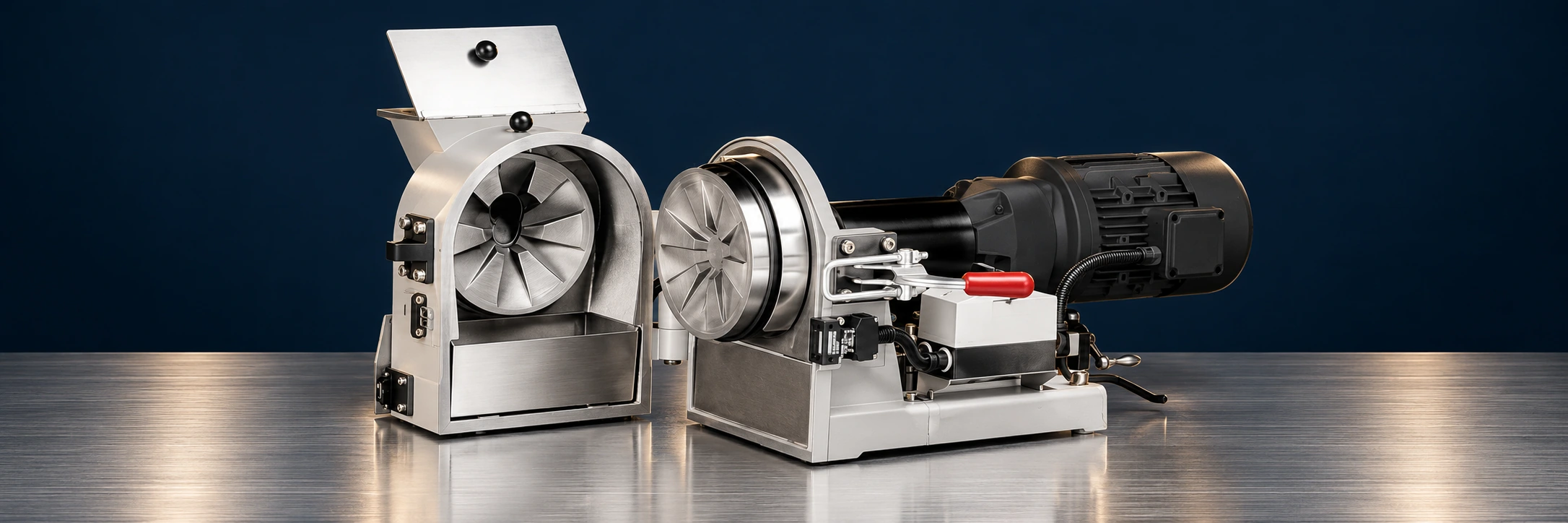
Analytical sample preparation
Disc Mills
Explore vibratory disc mills and burr disc mills for suitable samples requiring fine, repeatable preparation.
Explore equipment
Reduction and homogenization
Knife mill systems
Knife-based preparation for suitable food, feed, biological and soft-to-tough samples.
Explore equipmentBUILD CONFIDENCE
From a question to a practical next step.
01
Understand
Define the material, desired result and operating constraints.
02
Evaluate
Compare promising technologies and agree on an approach.
03
Validate
Test material, assess results and refine the process.
04
Scale
Connect the outcome to lab, pilot or production needs.
EXPLORE THE PRODUCTS
Find your next starting point.
Review each product’s operating approach, applications, options and technical information.
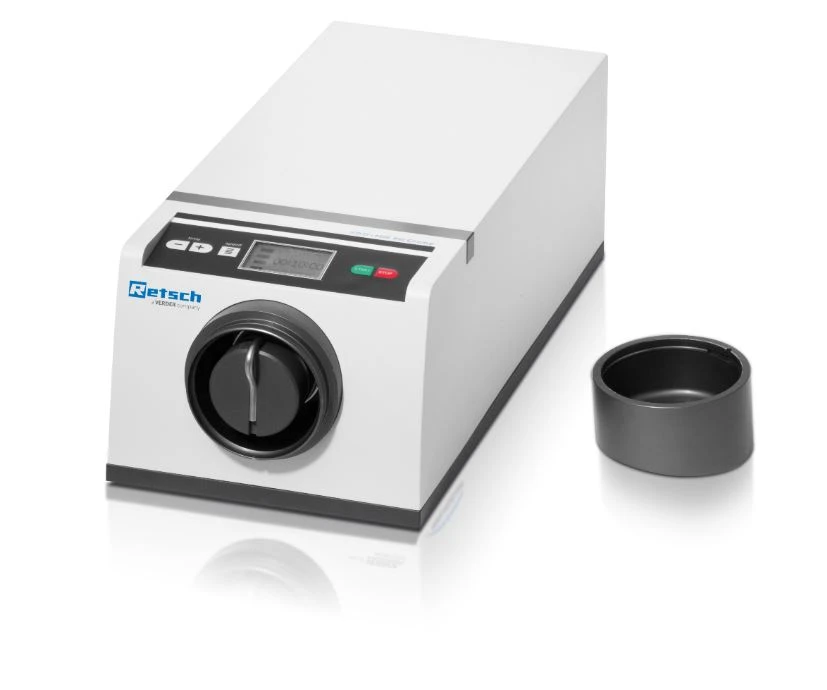
XRD McCrone Mill
The XRD-Mill McCrone was specially developed for the preparation of samples for subsequent X-ray diffraction (XRD).
Product details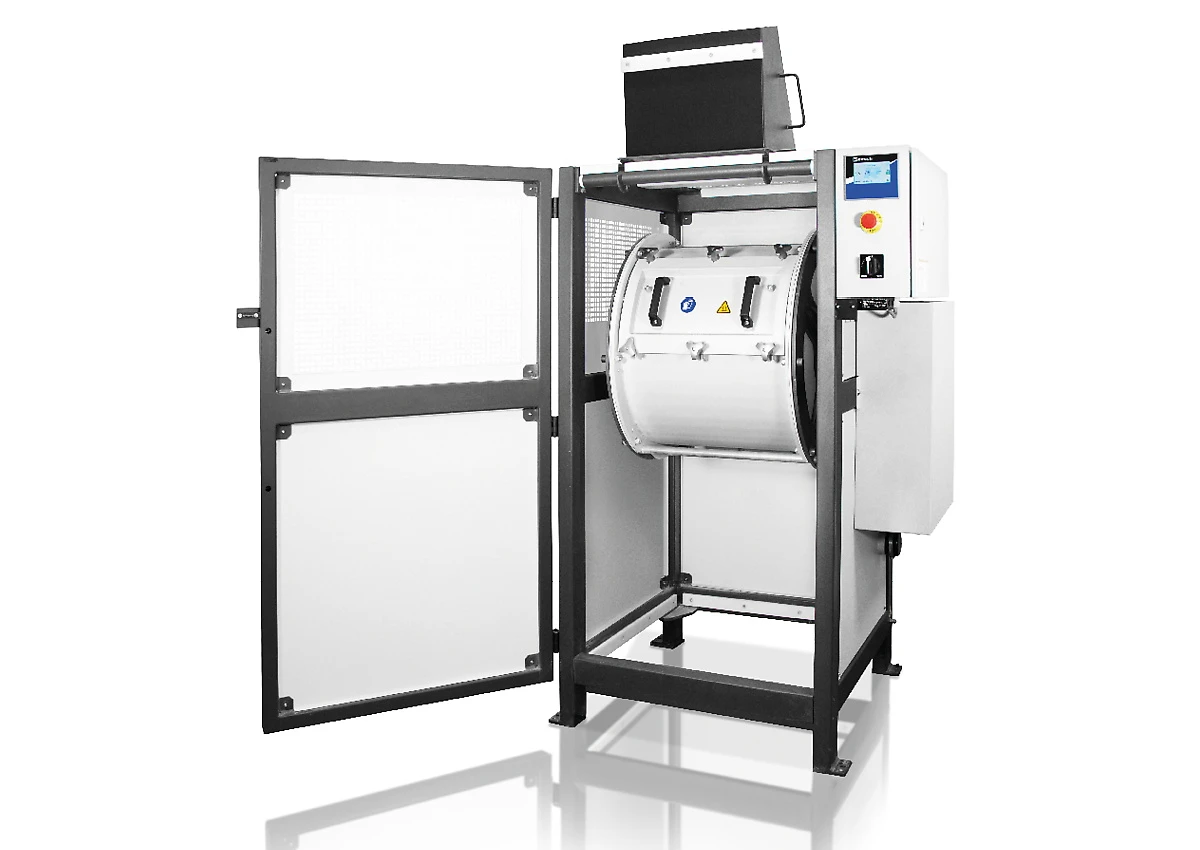
TM 500 Drum Mill
The Drum Mill TM 500 is a laboratory ball mill designed to grind large sample volumes up to 35 l.
Product details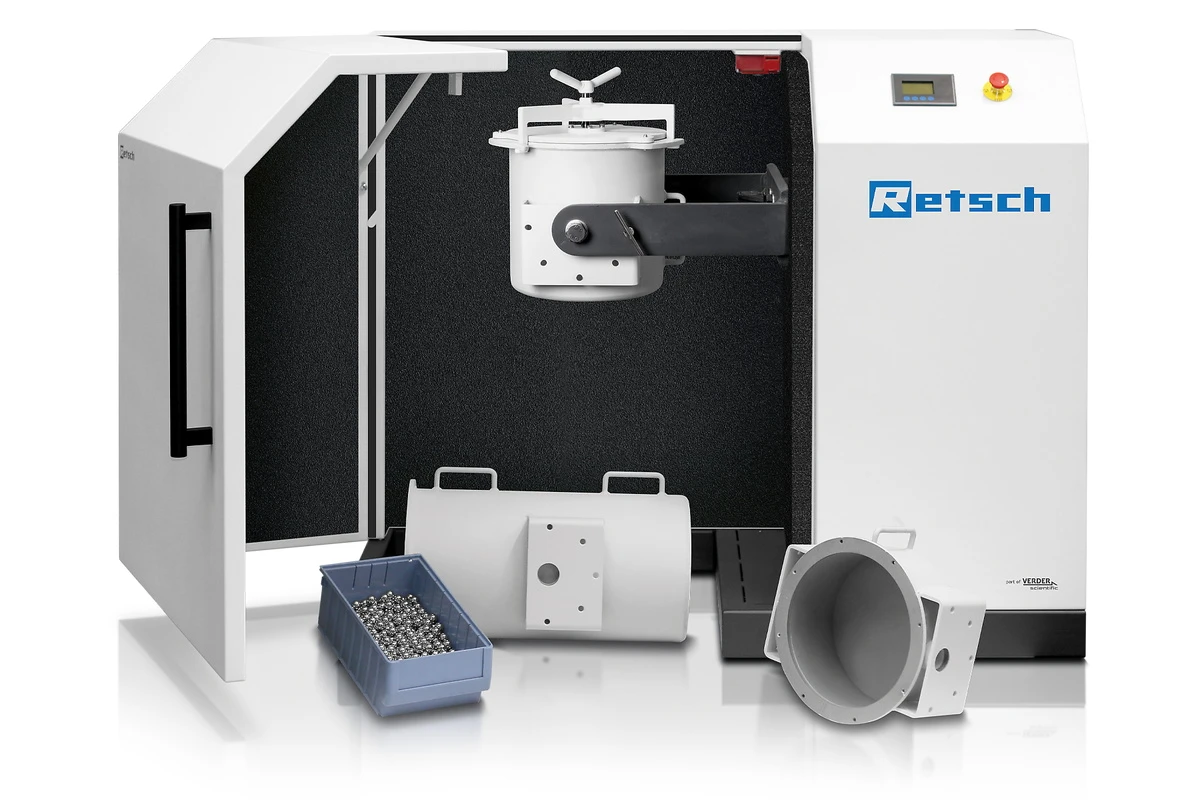
TM 300 Drum Mill
The TM 300 Drum Mill is utilized for preparing granules and powders through a grinding process conducted in either dry or wet conditions.
Product details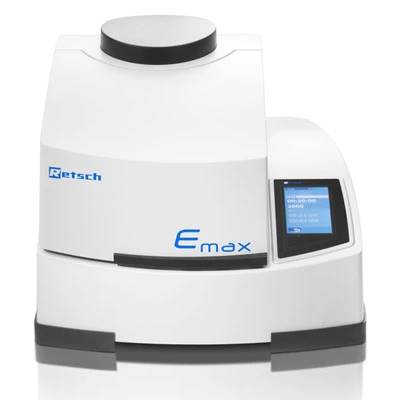
Emax High Energy Ball Mill
The E max is an entirely new type of ball mill for high energy milling.
Product detailsLET’S MOVE YOUR MATERIAL FORWARD
A challenging material.
A conversation away.
Share the result you need. We’ll help you find a practical next step.