
FREE MATERIAL TESTING · EXPERTISE SINCE 1980
Your material.
A tested method.
We evaluate processing technologies using your sample, document the method and recommend equipment for your project.
No model number needed. Start with what you want to accomplish.
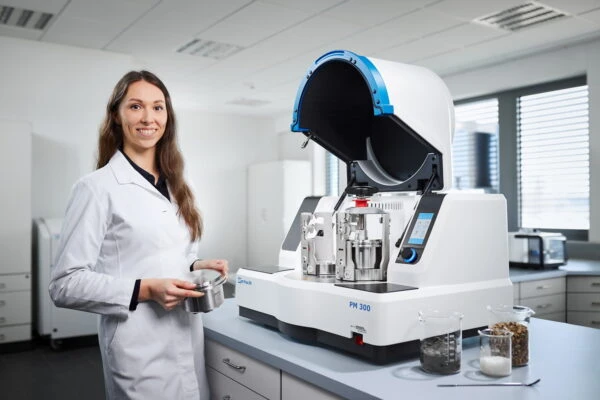
What are you trying
to accomplish?
Choose a starting point. We’ll help identify the technologies worth evaluating.
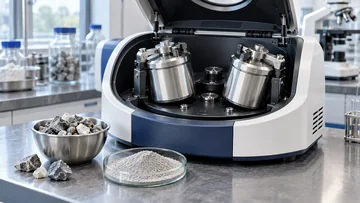
Reduce particle size
From coarse feed to your target fineness.
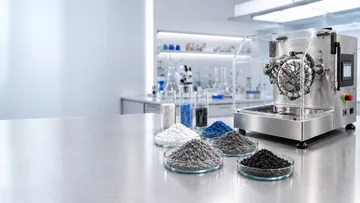
Improve powder blending
Work toward the blend your formulation needs.
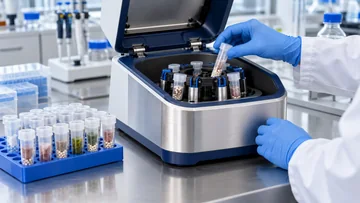
Perform cell lysis
Evaluate disruption around your biological sample.
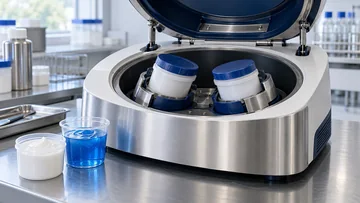
Mix and degas viscous fluids
Assess mixing and air removal together.

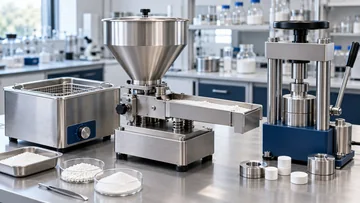
Select grinding media
Review wear, compatibility and grinding requirements.
Help me find a starting point
Describe the challenge. We’ll help choose a route.
WHAT YOU RECEIVE
Your methods
development report.
The findings behind your equipment recommendation.
Testing connects observations about your material to a practical recommendation. You receive the method, the findings and the equipment options that follow.
Your processed material is usually returned. Recovery and return arrangements are confirmed for your project.
Discuss your testing project- 01
Equipment evaluated
The technologies, equipment and configurations assessed.
- 02
Operating method
Settings, processing time and sample-handling details.
- 03
Results & observations
Measurements where applicable, material behavior and practical findings.
- 04
Recommendation & scale-up
Equipment recommendations and considerations for larger quantities or toll processing.
A CUSTOMER PROJECT · DEVELOPED THROUGH TESTING
From rock-sized feed
to below 5 microns.
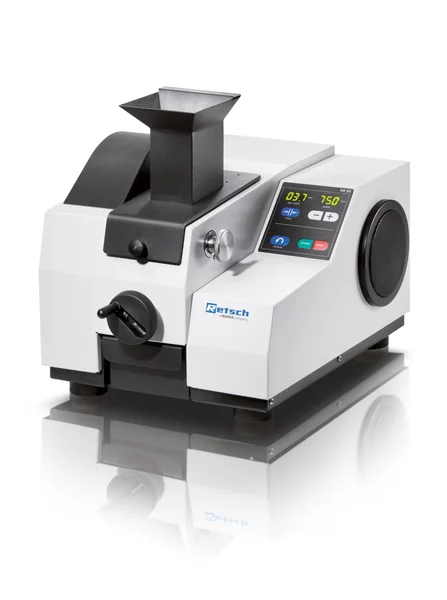
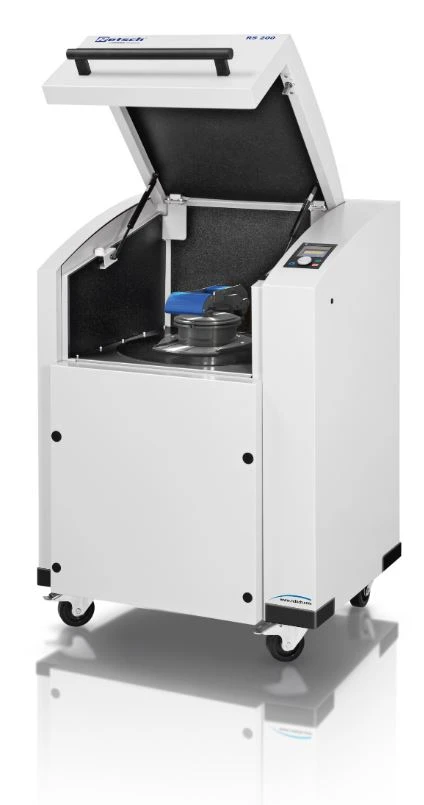
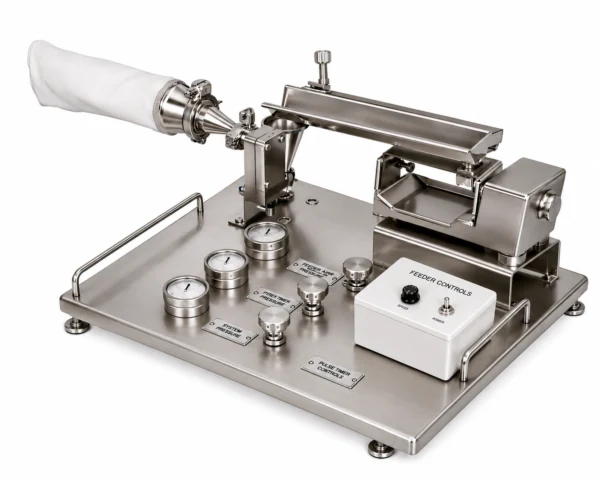
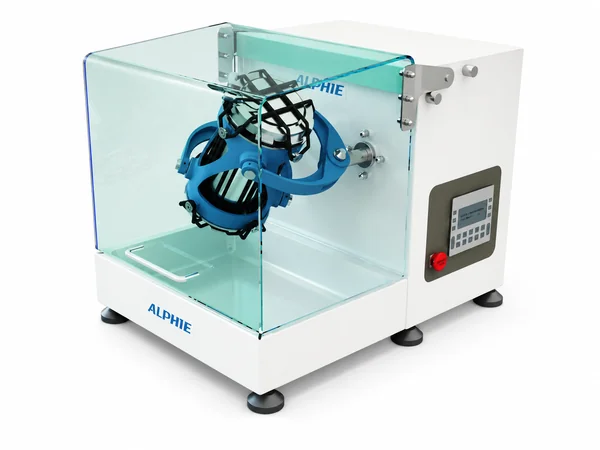
A customer needed large chunks reduced to below 5.0 microns, then homogenized. Multiple tests established a sequence of four technologies.
Customer and material identity withheld.
What happens
after you get in touch?
We agree on the work before you send a sample. Then we evaluate the material and explain the findings.
- 01
Review your project
Tell us the goal. We request your project datasheet and safety data sheet (SDS) to review the application.
- 02
Arrange the sample
We confirm suitability, sample quantity, handling and shipping instructions before you send material.
- 03
Evaluate technologies
Your sample is tested using suitable processing approaches, with observations against your requirements.
- 04
Review the report
We explain the method and findings, recommend equipment and discuss scale-up or toll-processing considerations.
Please contact Glen Mills before shipping material. We’ll confirm the project datasheet, SDS and sample arrangements with you.
Before you
send a sample.
Practical answers to help you prepare. For project-specific questions, speak with our team.
973 777 0777What does free material testing include?
We review your project, agree on the sample and test scope, and evaluate suitable processing technologies. The work informs a methods development report and an equipment recommendation for your application.
What is in the methods development report?
The report covers equipment evaluated, operating settings, processing time, results and observations, with scale-up recommendations. Relevant measurements, including achieved particle size where applicable, help connect the findings to your project requirements.
What do I need before sending a sample?
Contact us first. We request a completed customer project datasheet and the material’s safety data sheet (SDS). Our team reviews these and confirms sample quantity, handling and shipping instructions before shipment.
How much material should I send?
The amount depends on your material, the technologies being evaluated and the test objective. Tell us what quantity is available. We’ll confirm an appropriate sample amount before you ship.
Will I receive my material back?
Processed material is usually returned. We confirm sample recovery and return arrangements with you for the agreed work.
Can testing help with scale-up or toll processing?
Yes. Observing the material during testing helps us assess potential equipment models, scale-up considerations and toll-processing options. Larger-scale requirements are evaluated around the complete process.
Who pays for shipping, and how long does testing take?
Shipping costs and arrangements, equipment availability and the expected schedule are confirmed with our team before testing is arranged.
What about confidentiality or purchase terms?
Discuss confidentiality requirements before sharing sensitive details. Our team can review any requested agreement and confirm purchase-obligation terms during the project review.
Start a testing enquiry
Your testing enquiry is ready.
Nothing has been sent. Review the text, then open your email application or copy it into a message to info@glenmills.com.