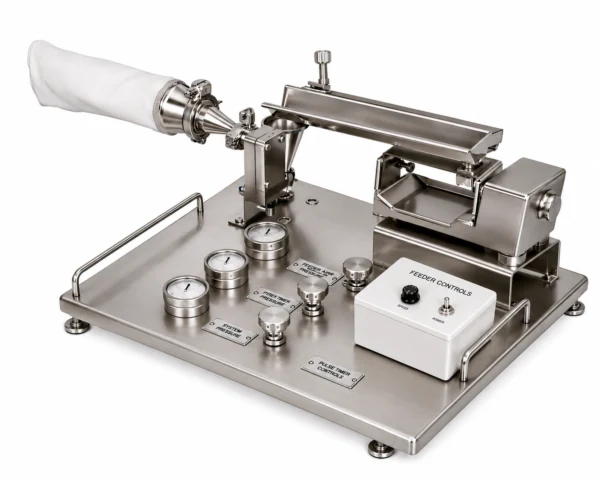
Fluid Energy Model 00 JET-O-MIZER
Dry fracture or deagglomeration when justified by the powder
Confirm: Feed behavior, gas compatibility, collection and particle damage.
View Fluid Energy Model 00 JET-O-MIZER
JET-MILLING SUITABILITY
Atmosphere control covers the complete material path, including weighing, feeding, milling, collection and reopening the container.
Inert-gas milling uses a selected gas to limit specified reactions or exposures during processing. Gas choice alone does not establish moisture control, oxygen exclusion or safe powder handling. The material, seals, feed system, collection equipment and facility requirements must all be reviewed for the intended process.
High-nickel layered lithium oxides and some sodium layered oxides warrant grade-specific exposure review. Composition, coating and storage history matter. Evidence that one sodium oxide is stable in ambient conditions does not prove that every related formulation is equally tolerant.
Prussian White introduces a separate conditioning question because water can be part of the material’s structural history. Sulfur-containing composites introduce dust and ignition questions. Those issues cannot all be resolved by specifying the word “inert.”
Ask the material owner to define acceptable moisture, oxygen and other relevant exposure limits, plus temperature and allowable exposure duration. If carbon dioxide matters, include it explicitly. State how the limits will be measured and at which points in the process.
Review gas identity and purity, supply conditioning, leak management and compatibility with every ingredient. Avoid treating nitrogen and argon as universally interchangeable. Any proposed limit must be agreed for the actual formulation and equipment configuration.
No. A closed container limits exchange only within the capability of its seals and operating conditions. Loading, purging, pressure behavior, opening and sampling still need a defined procedure. A lid with gas connections does not establish a validated pressure reactor or complete containment system.
For a jet mill, the relevant path includes the gas supply, feeder, chamber, connections and receiver. For a powder blender it includes container preparation, loading, closure and discharge. Confirm these details with Glen Mills and the manufacturer before selecting accessories.
Gas use needs a facility review, including pressure equipment and oxygen-deficiency hazards. Powder containment, combustible dust, static, solvents and possible reactions require their own assessment. Do not treat an inert-gas proposal as proof that a powder mixture is safe to process.
For sulfur-carbon composites, define dust collection and recovered-fines handling before a trial. Where another reactive battery ingredient is present, use the full formulation and current SDS rather than the cathode family label as the basis for the review.
Provide the exact composition or a nonconfidential description, processing stage, current conditioning, proposed quantity and exposure constraints. Explain what changes are acceptable and what must be preserved. The team can then review whether a suitable configuration and handling sequence are available.
No standard equipment listing on these pages should be read as a promise of inert-gas, containment or production capability. Those are configuration-specific requirements that need confirmation before a quotation or trial. Obtain shipping authorization before sending sensitive material.
Dry fracture or deagglomeration when justified by the powder
Confirm: Feed behavior, gas compatibility, collection and particle damage.
View Fluid Energy Model 00 JET-O-MIZER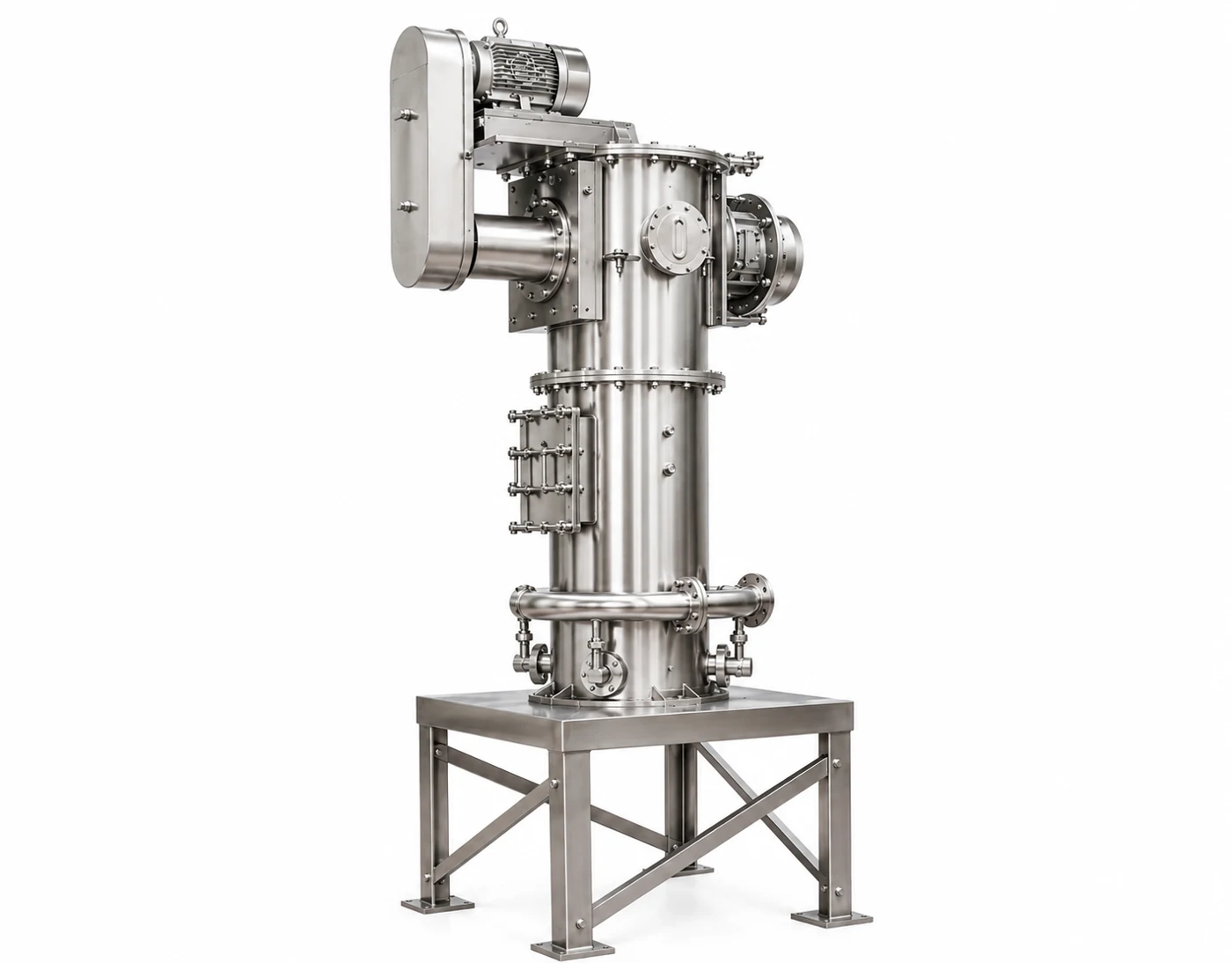
Jet-milling scale-up and active-classification review
Confirm: Material suitability, feed/collection configuration, capacity and scale-up validation.
View Fluid Energy ROTO-JET Jet MillThese are candidates for application review. Equipment listings do not establish cathode-specific performance, inert-gas capability or containment. Confirm the exact configuration with Glen Mills.
Precursor activation or ingredient blending is a different task from dry jet milling. These alternatives support a material-specific choice.
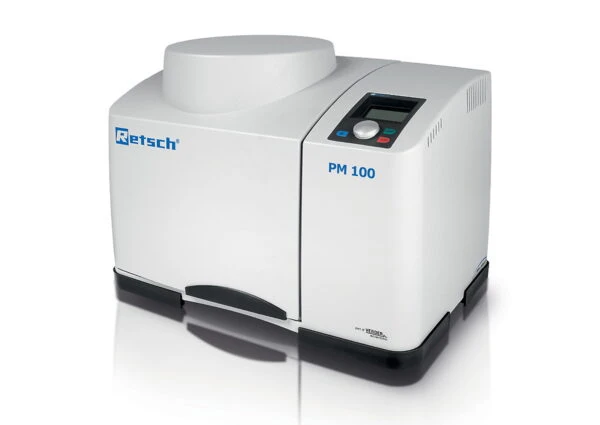
Precursor activation and defined mechanical research
Confirm: Jar and media compatibility, wear, temperature and retained phase.
View RETSCH PM 100 Planetary Ball Mill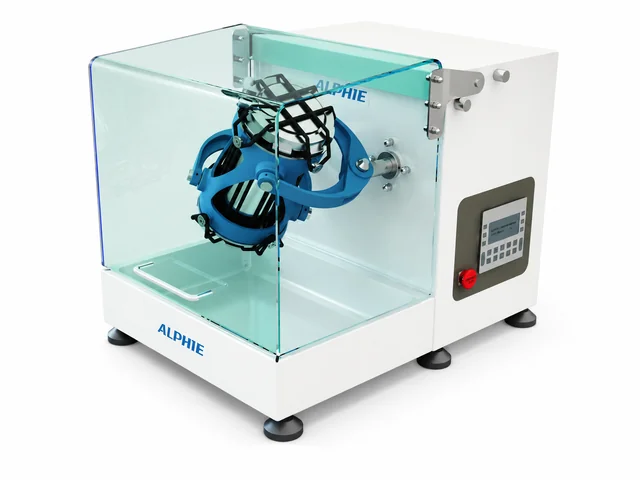
Closed-container blending without intentional grinding
Confirm: Blend uniformity, segregation and required handling configuration.
View Hexagon Product Development Alphie 3These are candidates for application review. Equipment listings do not establish cathode-specific performance, inert-gas capability or containment. Confirm the exact configuration with Glen Mills.
No. Gas moisture, leaks, feed moisture and handling can all affect the result. Specify and verify moisture requirements separately.
No. Use only the manufacturer-approved vessel, accessories and operating envelope for the intended procedure. Gas handling is not pressure-reactor certification.
No. Glen Mills must review the material and confirm the equipment configuration, gas compatibility and handling arrangements for the application.
Prepared . Literature and manufacturer references support the discussion; they do not establish a tested Glen Mills recipe for your powder.
Share the chemistry, processing stage, working quantity and acceptance measures. Glen Mills can review equipment candidates and whether a feasibility test is an appropriate next step.