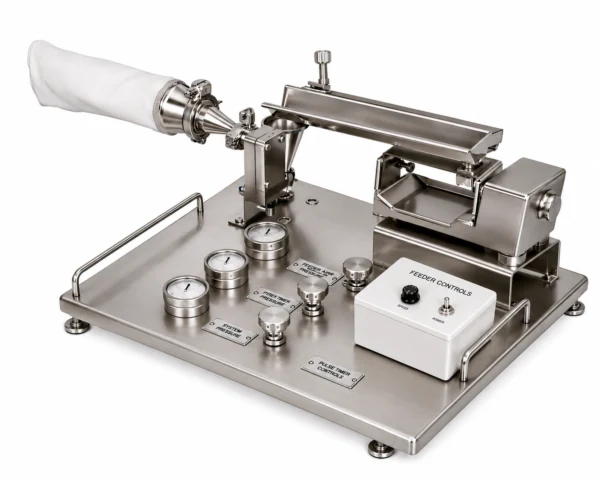
Compact laboratory micronizing with small-sample collection options.
Published throughput: 1–500 g/h; material dependent

JET MILLING SYSTEMS
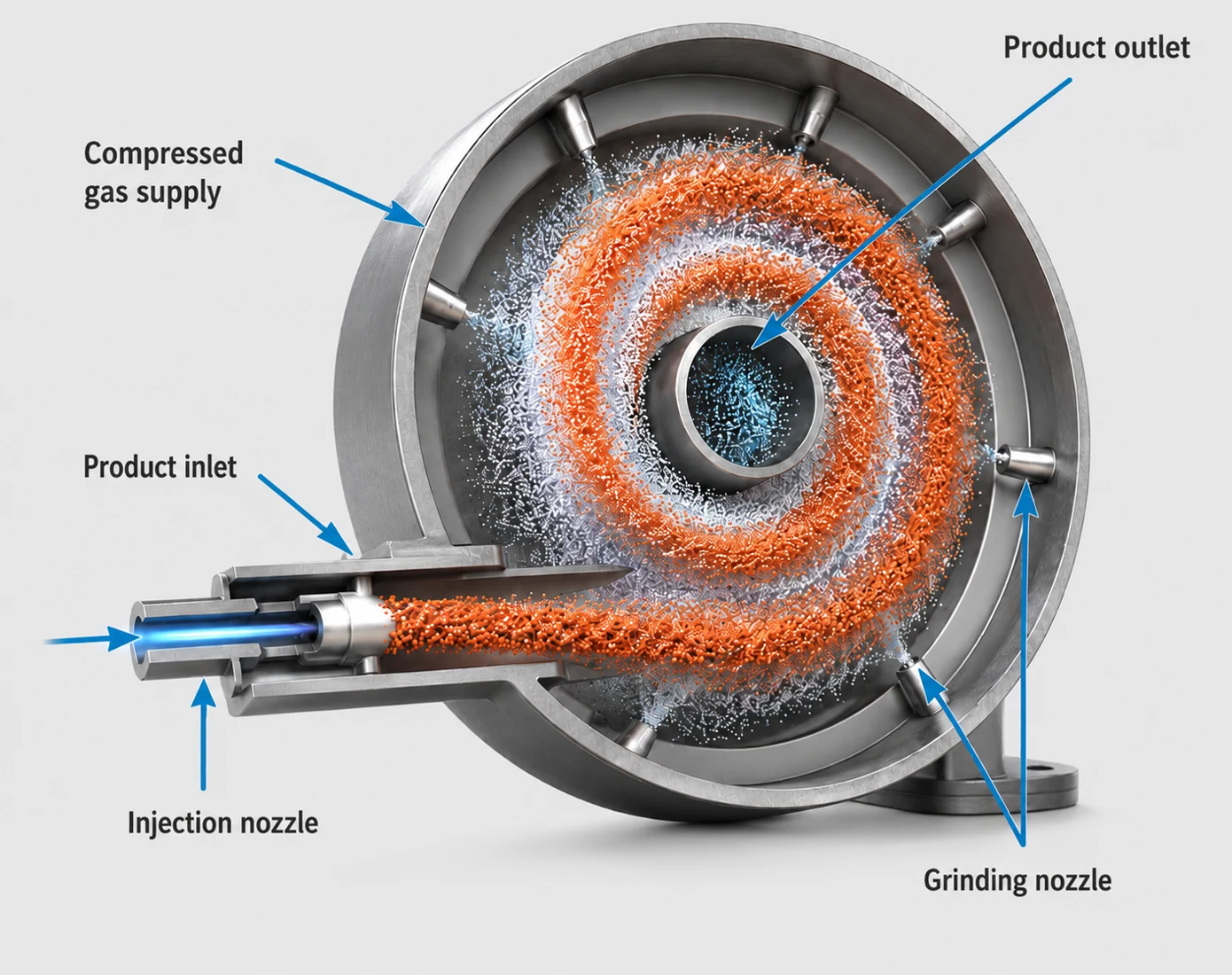
Use high-velocity gas and particle-on-particle collisions to develop fine powders without grinding balls. Build a route from small laboratory samples to pilot trials and production.
A PRACTICAL SELECTION HELPER
Compare laboratory scale, static or active classification, and drying/deagglomeration. Gas supply, collection and material trials determine the complete system.
Compact laboratory micronizing with small-sample collection options.
Published throughput: 1–500 g/h; material dependent
Larger trials with replaceable liners and configurable collection.
Published throughput: 0.5–5 kg/h; material dependent
Loop-style dry micronizing with static aerodynamic classification.
Confirm rate, gas and liner configuration by trial
Pancake-style dry micronizing with tangential nozzles and static classification.
Confirm rate, gas and liner configuration by trial
Opposed-jet fluid-bed grinding with an adjustable classifier wheel.
Wheel speed is an additional classification control
Flash drying with deagglomeration for suitable wet powders, slurries or filter cakes.
Drying route; not an interchangeable dry micronizer
START AT YOUR SCALE
Laboratory and production systems share the same objective: a useful particle-size distribution, practical recovery and a process that fits your material.
SMALL SAMPLES & PROCESS DEVELOPMENT
Develop the process with small quantities. Compare Model 00 and Model 02 systems, then configure feeding, collection and containment around your material.
SCALE-UP & CONTINUOUS PROCESSING
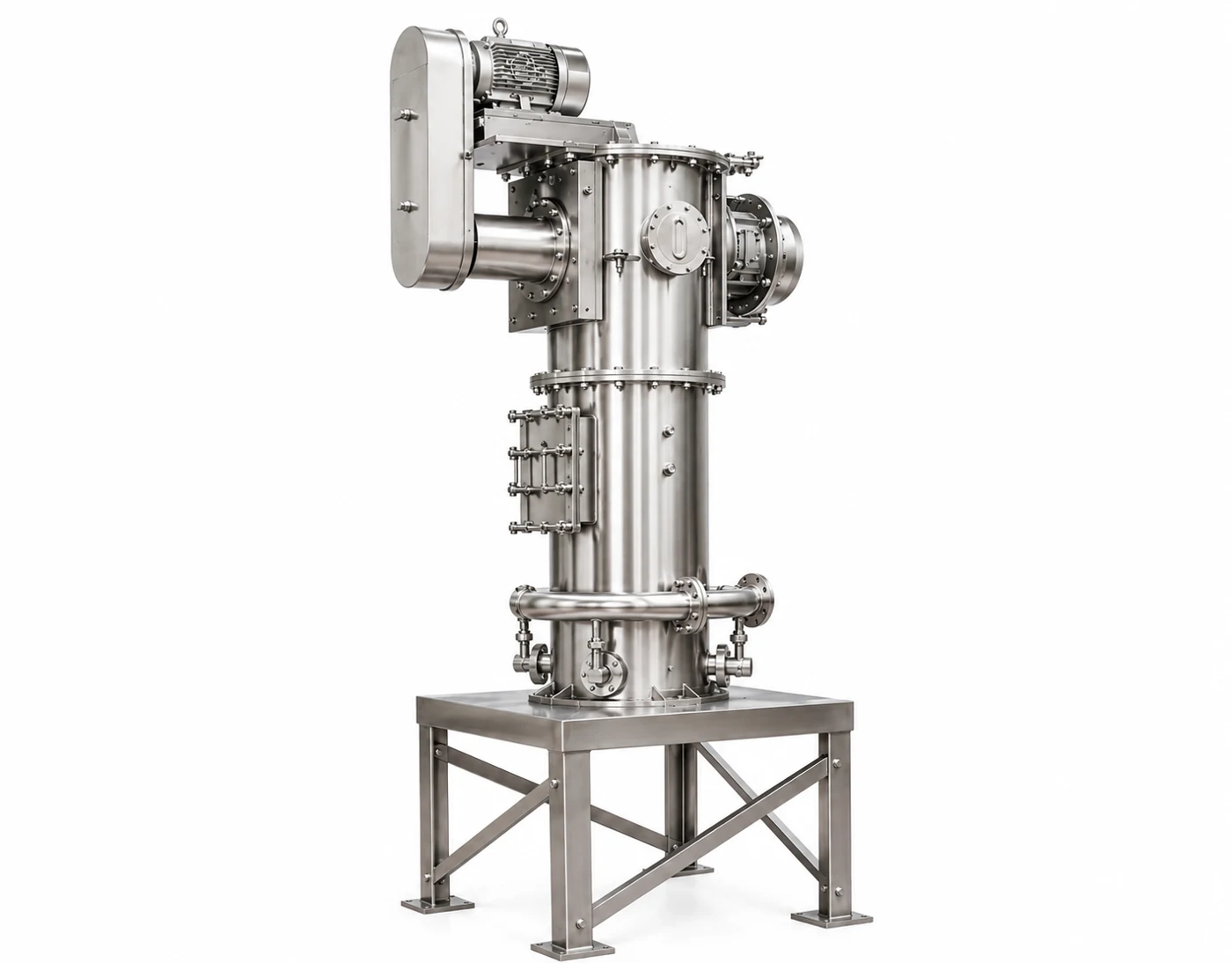
Scale fine-powder processing with static or active classification, application-specific liners and a complete feed-to-collection system.
HOW JET MILLING WORKS
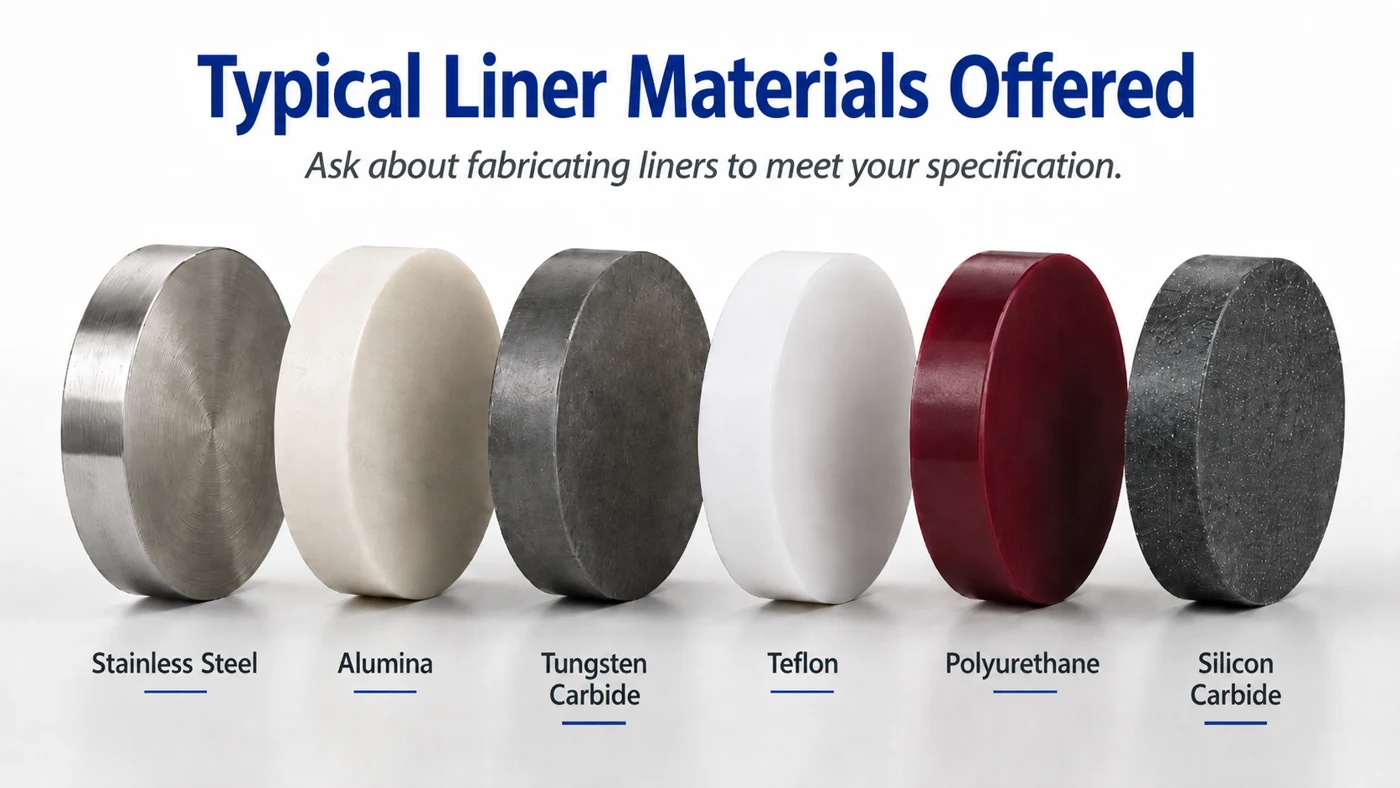
There are no grinding balls to add or separate. Gas expansion can help manage process temperature, while liners and contact materials help manage wear and product compatibility.
WHAT A FINER POWDER CAN CHANGE
Finer particles can change dissolution, reaction rate and interactions with other materials. Define the downstream performance you want to improve.
The width and upper end of a particle-size distribution can matter as much as the average. Specify the measurement method and the target distribution.
Evaluate temperature, wear contribution, moisture, recovery and gas compatibility together. Finer powder is useful only when it still meets the product requirements.
STATIC VS ACTIVE CLASSIFICATION
In both systems, process gas carries fine particles toward the outlet while coarse material receives more grinding. The difference is how that separation is controlled.
Gas flow and fixed geometry separate the particles. Aerodynamic drag carries finer material out while particle inertia keeps coarser material in circulation. There is no rotating classifier wheel.
Change feed rate, gas pressure and flow within the system’s operating limits. Choose this route for a simpler classification arrangement when trials demonstrate the required distribution.
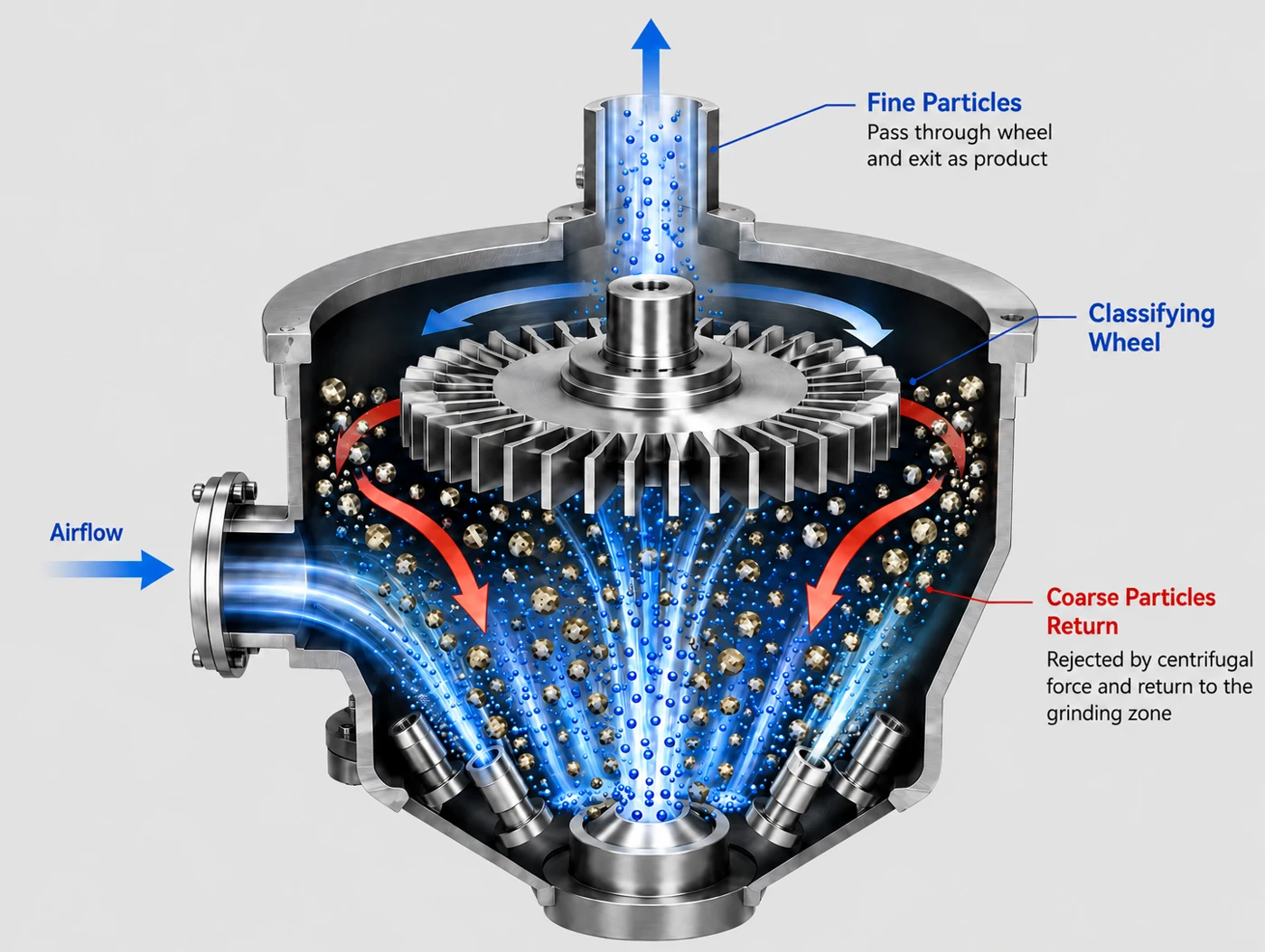
A motor-driven classifier wheel creates an adjustable centrifugal barrier. Fines pass through the wheel; rejected oversize material returns to the grinding zone.
Wheel speed adds a control variable for the cut point and distribution. Increasing speed generally produces a finer cut under comparable conditions, with capacity and energy tradeoffs.
Active classification adds a moving component. Distribution width and cut size still depend on the material, gas conditions, feed and classifier configuration; validate them with a trial.
MATERIALS & APPLICATIONS
Jet milling is a route to evaluate for suitable dry powders. Material hardness, elasticity, moisture and the required distribution determine whether it is the right fit.
Suitability and achievable fineness require application review and representative testing. Some elastic, wet or cohesive feeds need conditioning or another processing route.
BUILD THE COMPLETE SYSTEM
Review utility demand, sample recovery and operating cost alongside fineness and throughput. Inert gas and containment require an engineered system matched to the material.
Explore liner and system optionsTEST BEFORE YOU SCALE
Use a representative sample to evaluate fineness, distribution and recovery.
Learn moreDiscuss an in-house trial and the equipment, utilities and collection arrangement needed.
Learn moreExplore processing support while you validate demand or define a future installation.
Learn moreYOUR MATERIAL. YOUR NEXT STEP.
Tell us what you’re processing and what needs to change. We’ll help define the equipment, accessories and a useful trial.