
Does grinding waste prove it is suitable for a new material?
No. Preparation makes a candidate feedstock available for evaluation. Suitability and finished-product properties need to be demonstrated in the next process.
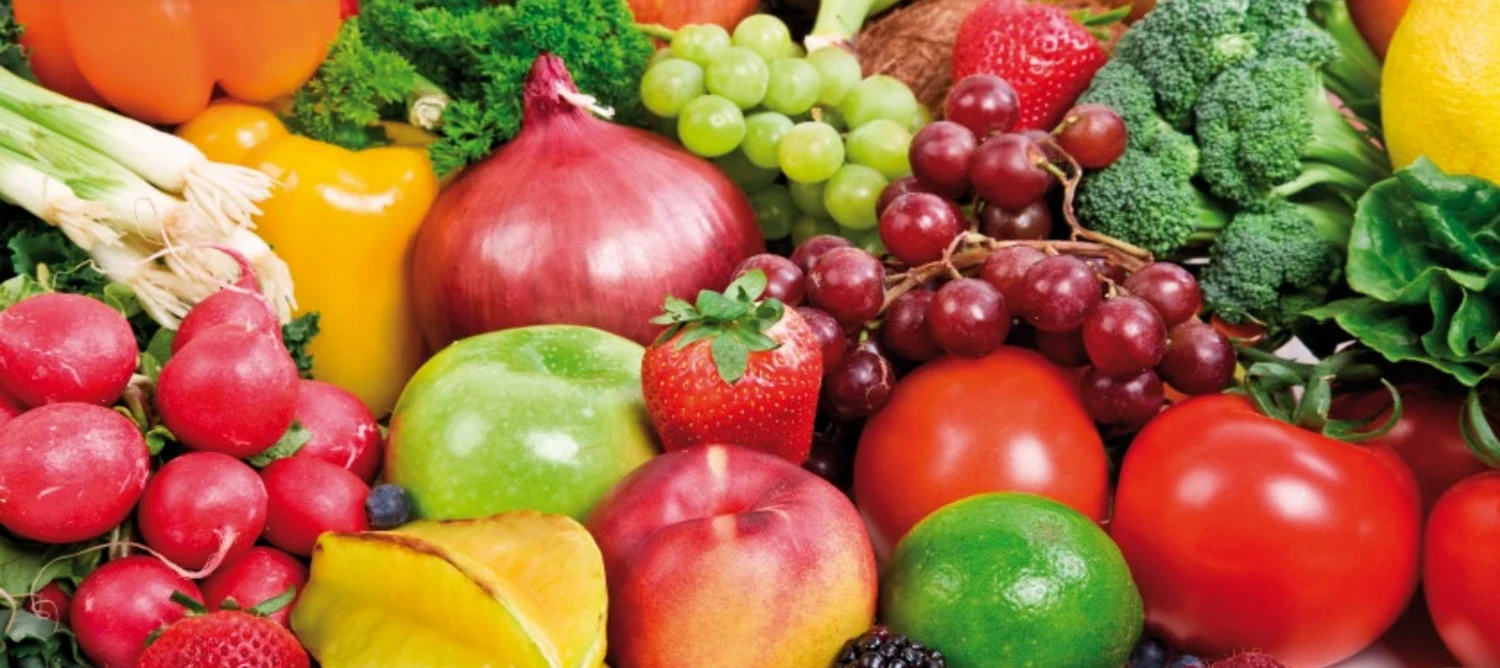
Food waste is a significant global issue that impacts the environment, economy, and society. Every year, millions of tons of food are wasted, contributing to greenhouse gas emissions, resource depletion, and economic losses. Food waste occurs at various stages of the supply chain, including production, processing, distribution, and consumption. The environmental impact of food waste is substantial, as it leads to the unnecessary use of water, energy, and land resources, while also generating methane emissions from decomposing organic matter in landfills.
Recycling food waste is essential for promoting environmental sustainability and reducing the negative impacts associated with waste disposal. By converting food waste into valuable resources such as compost, biogas, and animal feed, we can reduce the amount of waste sent to landfills, conserve natural resources, and lower greenhouse gas emissions. Additionally, recycling food waste supports the circular economy by creating a closed-loop system where waste is transformed into useful products, contributing to a more sustainable and eco-friendly future.
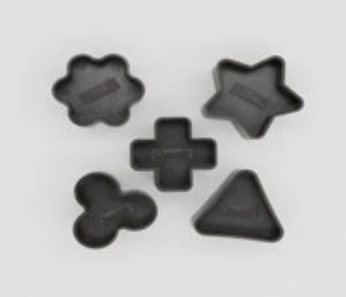
The mission and vision of Krill Design is to transform organic by-products into an alternative material to petrochemical plastics, contributing to the transition towards a circular and sustainable economy. The corporate vision is to become a global leader in biomaterials innovation, demonstrating that sustainability and performance can coexist harmoniously. They believe that technological innovation and creativity are the key ingredients for implementing the ecological transition necessary for the well-being of our planet.
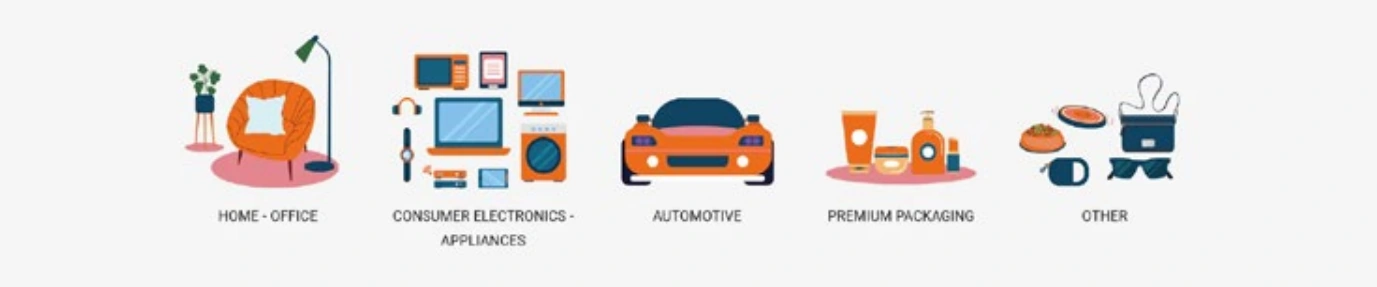
Krill Design converts organic by-products from the food supply chain - such as peels, seeds, and shells - into REKRILL®, a patented biopolymer that is biodegradable, compostable, and recyclable, and is 100 % biobased. REKRILL® possesses technical characteristics and processability similar to traditional plastics, making it an innovative product that combines aesthetics, functionality, and environmental sustainability. Their solutions are particularly focused on design and furnishings, electronics, fashion, and toys - sectors that previously had no sustainable alternatives to petrochemical plastics - but they also provide formulations for packaging and disposable products.
Retsch helps to produce the ReKrill materials:
The Rotor Beater Mill SR 300 is a versatile and efficient rotor mill designed for a wide range of applications in various industries. It is particularly well-suited for the size reduction of medium-hard, tough, and fibrous materials. The SR 300's robust construction and highspeed rotor ensure consistent and reliable performance, making it an ideal choice for laboratories and industrial settings.
One of the key features of the SR 300 is its ability to handle a diverse array of materials, including plastics, grains, and organic substances. This versatility makes it an essential tool for research and development, quality control, and production processes. The SR 300 is equipped with a variety of accessories and options, allowing users to customize the mill to meet their specific needs. The SR 300 offers several benefits, such as ease of use, low maintenance requirements, and high throughput. Its ergonomic design and user-friendly interface make it easy to operate, while its durable components ensure long-lasting performance. The SR 300's efficient size reduction capabilities contribute to improved sample preparation and analysis, ultimately enhancing the overall efficiency of laboratory and industrial workflows.
- Machine: Rotor beater Mill SR 300 • Sample: Food waste and residues • Initial Feed Size: 25 mm • Configuration: Standard rotor with Ring Sieves 0.08-2 mm, cyclone • Speed: 10.000 rpm • Sample Volume per Batch: 30 l • Final Fineness: < 0.08 mm
Rotor Beater Mill SR 300
Plan the configuration for your material.
Describe the waste stream and the form required by the new material. Moisture, fibers and residual ingredients can change how it breaks and mixes. Distinguish making a manageable feedstock from demonstrating the final product's performance or environmental benefit.
| Consideration | Information to provide |
|---|---|
| Waste input | Origin and composition variation |
| Preparation target | Size and handling form |
| Next process | Mixing or material-development needs |
How should the application examples be used?
The results describe the materials and configurations discussed here. Confirm equipment options, contact materials and operating conditions for your own sample before adopting a method. A demonstrated endpoint does not guarantee the same outcome for a different material.
Discuss material testing with Glen Mills or request further information or a quote.