

Does making waste smaller establish a recycling route?
No. Size reduction is one step. The receiving process must demonstrate that the prepared material is suitable for the intended reuse.
Textile and leather waste are significant contributors to environmental pollution. The textile industry generates vast amounts of waste, including off-cuts, defective materials, and end-of-life garments. Similarly, the leather industry produces waste in the form of trimmings, shavings, and defective hides. These waste materials often end up in landfills or are incinerated, leading to environmental degradation and the release of harmful pollutants. Recycling and repurposing textile and leather waste not only help in reducing the environmental impact but also provide valuable raw materials for various industries.
PROBIOS Project
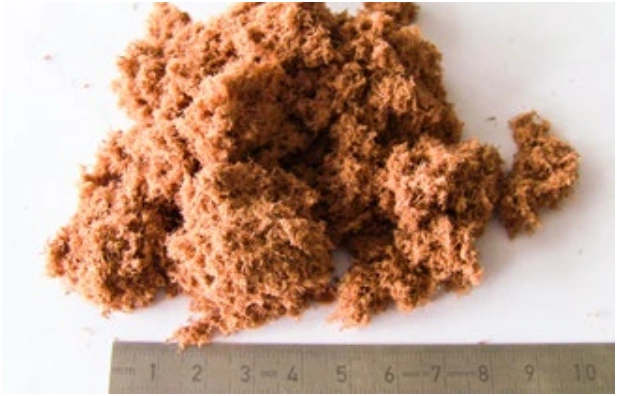
The primary goals of the project PROBIOS (PROduction of protein hydrolysates BIOStimuants through chemical splitting processes), are to make protein broth appropriately bleached for the creation of biostimulants for plants, capable of increasing production and improving crop quality. Additionally, the project aims to produce chrome liquor that can be resold to tanneries, reintroducing it into the leather production process. The use of a laboratory mill on a "pilot" scale provides the necessary flexibility for industrial plant development. Another significant goal is to drastically reduce textile waste in landfills or waste-to-energy plants. To make the hydrolysis process as rapid and homogeneous as possible, it is essential to have a final sample size of less than 6 mm for fibers at the reactor inlet, which is obtainable with the cutting mill SM 300.
Benefits of Using the SM 300
The Cutting Mill SM 300 offers several benefits that make it an ideal choice for processing textile waste and leather. It is designed to handle large volumes of material efficiently, ensuring a consistent and uniform final fineness of less than 6 mm. The machine's versatility, with its 6-disc rotor and 6 mm sieve, allows it to process a wide range of materials, making it suitable for various applications. The long stock hopper and cyclone configuration provide the necessary flexibility for both laboratory and pilot-scale operations, allowing for easy scaling up to industrial production. The SM 300 ensures a high-quality output with minimal dust and fines, making it ideal for producing protein broth and chrome liquor for biostimulants and leather production. Additionally, the machine is built with robust materials, ensuring long-term use, reliable performance, and low maintenance costs.
Machine: Cutting Mill SM 300 Sample: Textile, Waste and Leather Initial Feed Size: 100-150 mm Configuration:: 6-disc rotor with 6 mm sieve, long stock hopper, cyclone Speed: 3000 rpm Sample Volume per Batch: 5 l in Final Fineness: < fibrous sample fluff
Plan the configuration for your material.
The receiving operation defines the useful preparation endpoint. Distinguish a reactor-feed size requirement from an analytical homogenization requirement, and record the distribution rather than only the largest retained piece. Variations in coatings and constituent materials also need to be described.
| Consideration | Information to provide |
|---|---|
| Waste composition | Fibers, leather and added materials |
| Receiving process | Required feed specification |
| Output assessment | Fraction distribution and handling |
How should the application examples be used?
The results describe the materials and configurations discussed here. Confirm equipment options, contact materials and operating conditions for your own sample before adopting a method. A demonstrated endpoint does not guarantee the same outcome for a different material.
Discuss material testing with Glen Mills or request further information or a quote.