
Does milling e-waste recover its precious metals?
Milling prepares material for further analysis or processing. Actual recovery requires the relevant separation or extraction process and a measured mass balance.
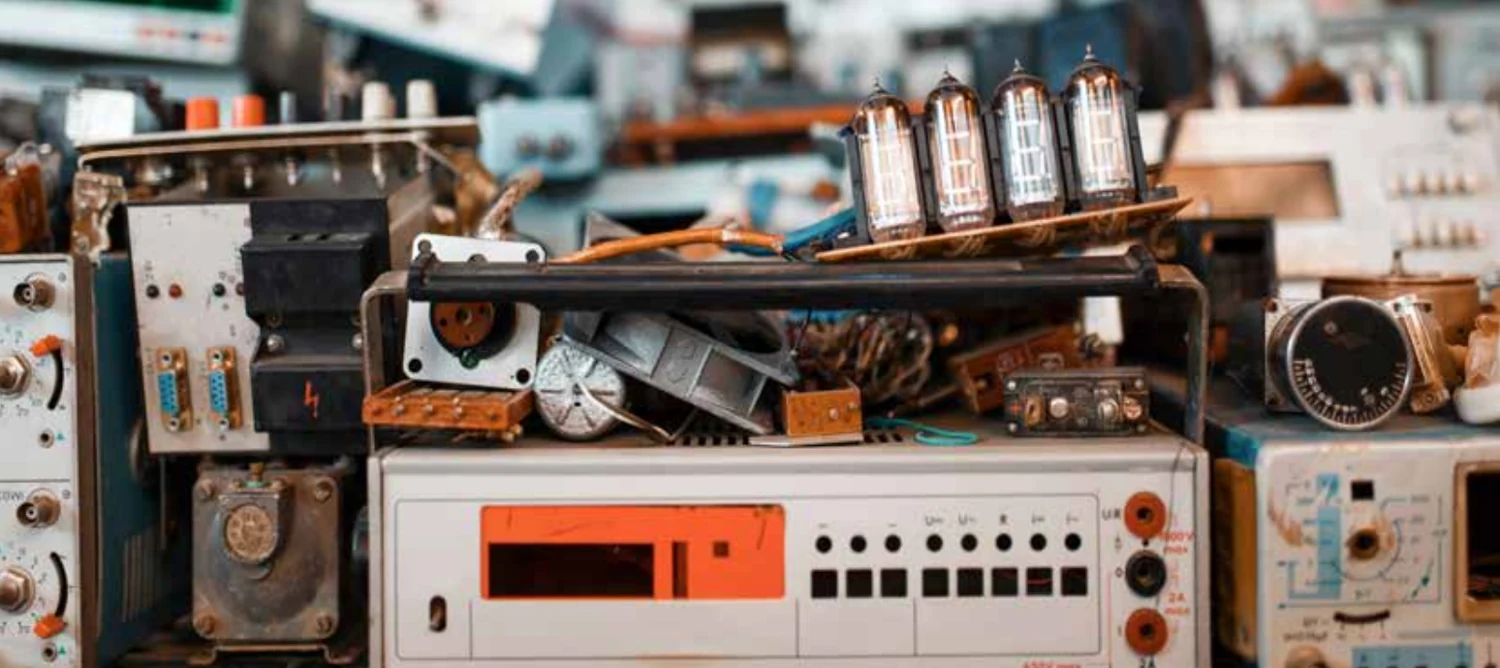
Recycling electronic waste is crucial for several reasons. Firstly, it helps to reduce the environmental impact of discarded electronic devices, which often contain hazardous materials such as lead, mercury, and cadmium. By recycling e-waste, we can prevent these harmful substances from contaminating soil and water sources. Additionally, it allows for the recovery of valuable materials like gold, silver, copper, and rare earth elements, which can be reused in the production of new electronic devices.
This not only conserves natural resources but also reduces the need for mining and the associated environmental degradation. Furthermore, recycling e-waste supports the circular economy by promoting the reuse and repurposing of materials, ultimately contributing to a more sustainable and eco-friendly future.
Cutting-mill preparation of electronic waste
The SM 300 is a powerful cutting mill designed for a wide range of applications, including the recycling of various materials such as paper, plastics, and organic waste. Its robust construction and high-speed rotor make it particularly effective for pre-crushing tough and fibrous materials, ensuring efficient and uniform size reduction. The SM 300's versatility and efficiency make it an ideal choice for recycling processes, where consistent and reliable performance is crucial.
The SM 300 is highly effective in processing electric waste. This includes the shredding and grinding of electronic components like cables or PC boards, which helps in the recovery of valuable materials such as metals and plastics. By processing electric waste, the SM 300
helps in reducing the environmental impact of electronic waste disposal, preventing hazardous substances from contaminating the environment. This not only supports the circular economy by enabling the reuse of materials but also helps in reducing the demand for new raw materials, further conserving natural resources.
Preparing electronic material for recovery
The grinding of PCBs and other electronics and industrial waste is aimed at increasing the specific surface area to ensure better dissolution of metals by hydrometallurgical processes. This process is crucial for the recovery of base metals, precious metals, rare earths, or other strategic metals such as lithium, indium and cobalt. As part of several European projects, the research group coordinated by Prof. Francesco Vegliò at the University of L'Aquila has developed hydrometallurgical plants to study the scale-up of these processes to a Technology Readiness Level 6-7 (TRL6-7). By enhancing metal dissolution through efficient grinding, it is possible to validate recycling processes that adopt the principles of the circular economy and are sustainable from both an economic and environmental perspective.
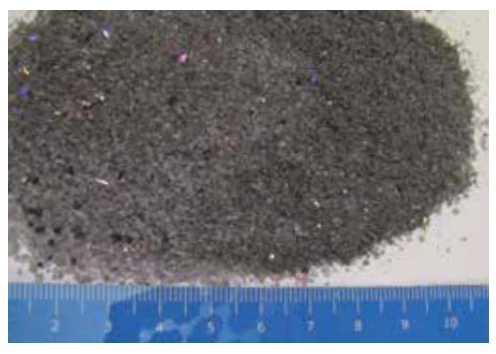
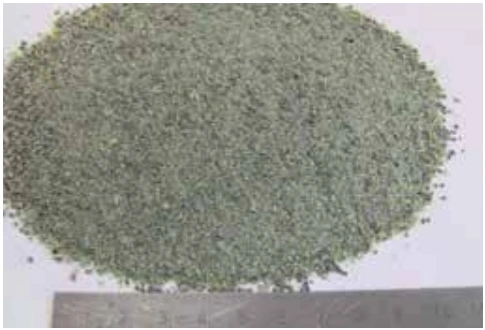
Machine: Cutting Mill SM 300 Sample: Magnets, batteries, electronic board, E waste Initial Feed Size: 120 m Configuration: 6 disc rotor with 0.25 - 6 mm sieves, universal hopper, cyclone Speed: 3000 rpm Sample Volume per Batch: 5 l Final Fineness: < 0.5 - 1 mm
Plan the configuration for your material.
Keep sample preparation distinct from metal recovery. A homogenized test portion supports composition assessment but does not establish an extraction yield. Describe the waste stream, remove or manage components according to the approved handling procedure, and evaluate contact-material contamination against the planned assay.
| Consideration | Information to provide |
|---|---|
| Waste stream | Components and heterogeneity |
| Preparation goal | Representative analytical portion |
| Evaluation | Metal analysis and contamination controls |
How should the application examples be used?
The results describe the materials and configurations discussed here. Confirm equipment options, contact materials and operating conditions for your own sample before adopting a method. A demonstrated endpoint does not guarantee the same outcome for a different material.
Discuss material testing with Glen Mills or request further information or a quote.