01 / Dry powders
Alphie 3D dry powder blenders
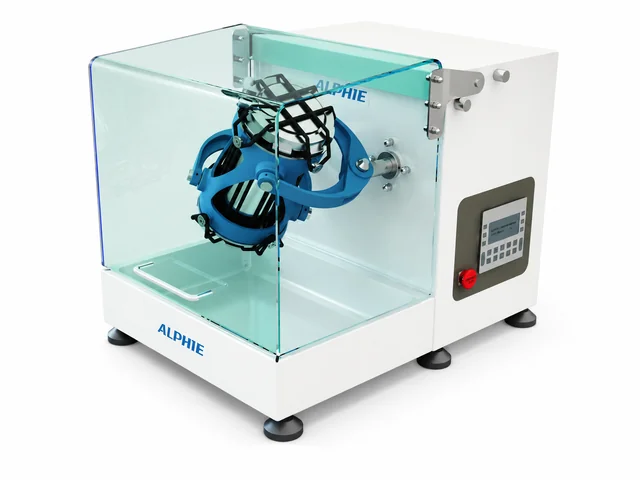
Alphie tumbles a closed, removable container through three dimensions. The Alphie 3 is a starting point for evaluating dry powder blending, including blends intended for capsule filling.

PHARMACY COMPOUNDING
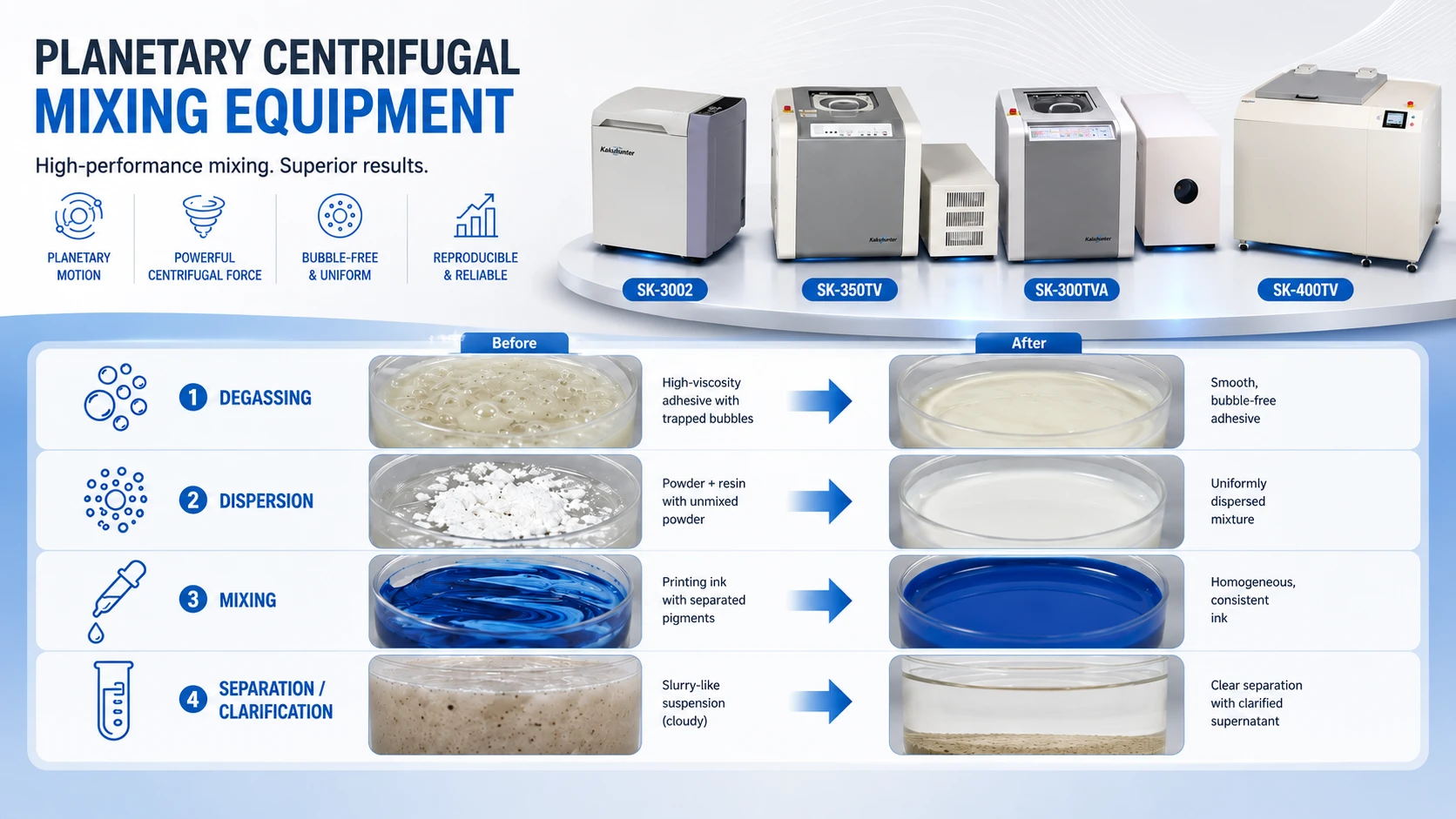
Compare Alphie dry powder blenders for capsule blends and Kakuhunter planetary centrifugal mixers for creams, gels and ointments. Glen Mills can help match a mixer and vessel to your batch.
01 / Dry powders
Alphie tumbles a closed, removable container through three dimensions. The Alphie 3 is a starting point for evaluating dry powder blending, including blends intended for capsule filling.
02 / Viscous preparations
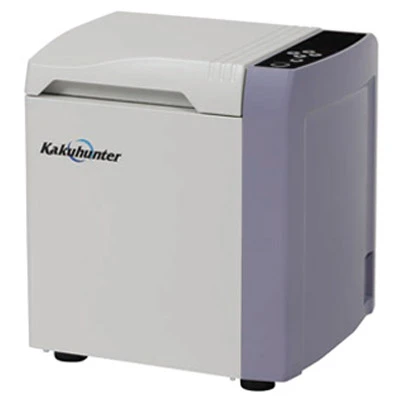
Kakuhunter rotates the cup while it revolves around a central axis. The non-vacuum SK-300SII is a compact starting point. If trapped air is a concern, compare a vacuum model such as the SK-300TVS-A.
| Model | Material to evaluate | Nominal vessel capacity | Container options | Vacuum |
|---|---|---|---|---|
| Alphie 3 | Dry powders for capsule blends | 2.5 L | Removable vessel or compatible bottle or vial with an adapter | No |
| Kakuhunter SK-300SII | Creams, gels and ointments | One 300 mL cup | Cup or compatible syringe up to 30 mL with an adapter | No |
| Kakuhunter SK-300TVS-A | Viscous mixtures where trapped air is a concern | Two 300 mL cups | Cups or compatible syringes up to 55 mL with adapters | Yes |
Nominal vessel capacity describes the container. Confirm the usable fill, loaded weight and adapter fit for your batch.
A pharmaceutical powder mixer such as the Alphie 3 can be evaluated for small-batch capsule blends before filling. If ingredients differ in particle size or bulk density, use a representative blend to check uniformity. Ask whether transfer to the capsule filler changes the distribution you measured in the mixing vessel.
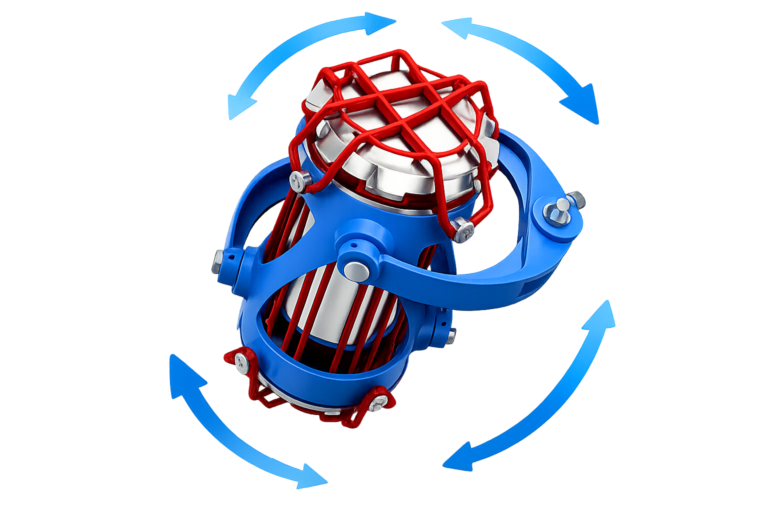
The holder continually changes the orientation of the closed vessel. As it turns and inverts, gravity carries the powder across the vessel and folds it back into the blend. The motion comes from the holder, so there is no blade inside the vessel.
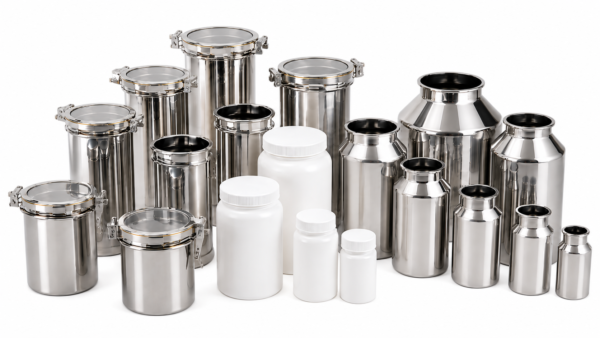
Depending on the mixer and holder, options include bottles, small vials with adapters, and stainless steel vessels. For a dedicated vessel, confirm the dimensions, loaded mass, closure and working fill together. Allow room for the powder to tumble.
The cup spins on its own axis while traveling around the machine’s central axis. That combined motion moves the material inside the cup without an immersed blade. If fine bubbles persist in a viscous formulation, consider evaluating a vacuum planetary mixer such as the SK-300TVS-A.
When evaluating a mixer for creams, gels or ointments, compare how evenly the ingredients disperse, how much visible air remains, and how the texture and temperature change. Start by assessing atmospheric mixing if dispersion is the main concern. Compare vacuum-assisted degassing if trapped air remains after mixing.
Air bubbles can take a long time to work their way out of a thick gel. The Kakuhunter SK-400TR is one option to evaluate when you need to remove that trapped air. Try it with a typical batch of your gel to see how quickly the bubbles clear and how the texture holds up.
The blue sample shows how the appearance of a viscous material can change during planetary mixing.
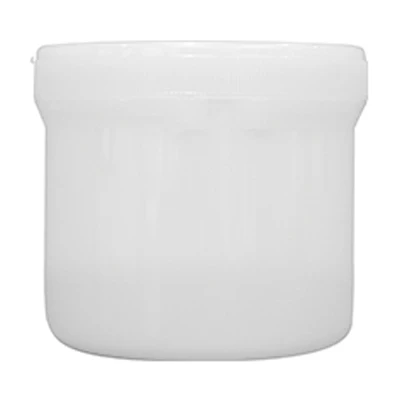
The SK-300SII holds one round, 300 mL cup. Its published limit is 310 g gross, including the container and its contents. The usable fill depends on the material and the space it needs to move during mixing.
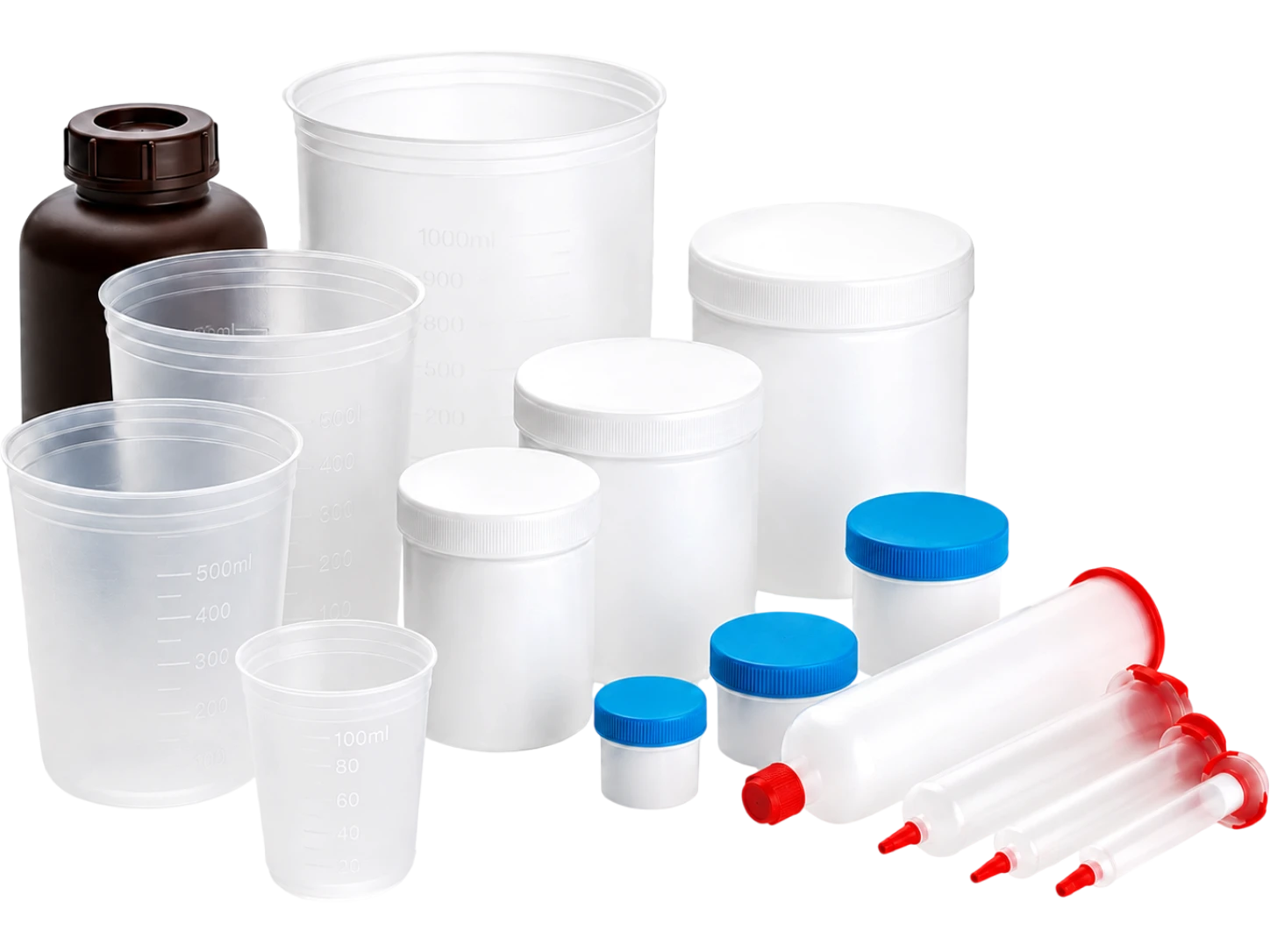
Model-specific adapters can hold other cup and bottle shapes, barrels and compatible syringes. The SK-300SII lists syringes up to 30 mL. Share your container’s outside dimensions, closure and loaded weight so Glen Mills can check the adapter fit.
Bring your batch range, material type and container requirements. We can discuss which mixer and vessel configuration to evaluate.