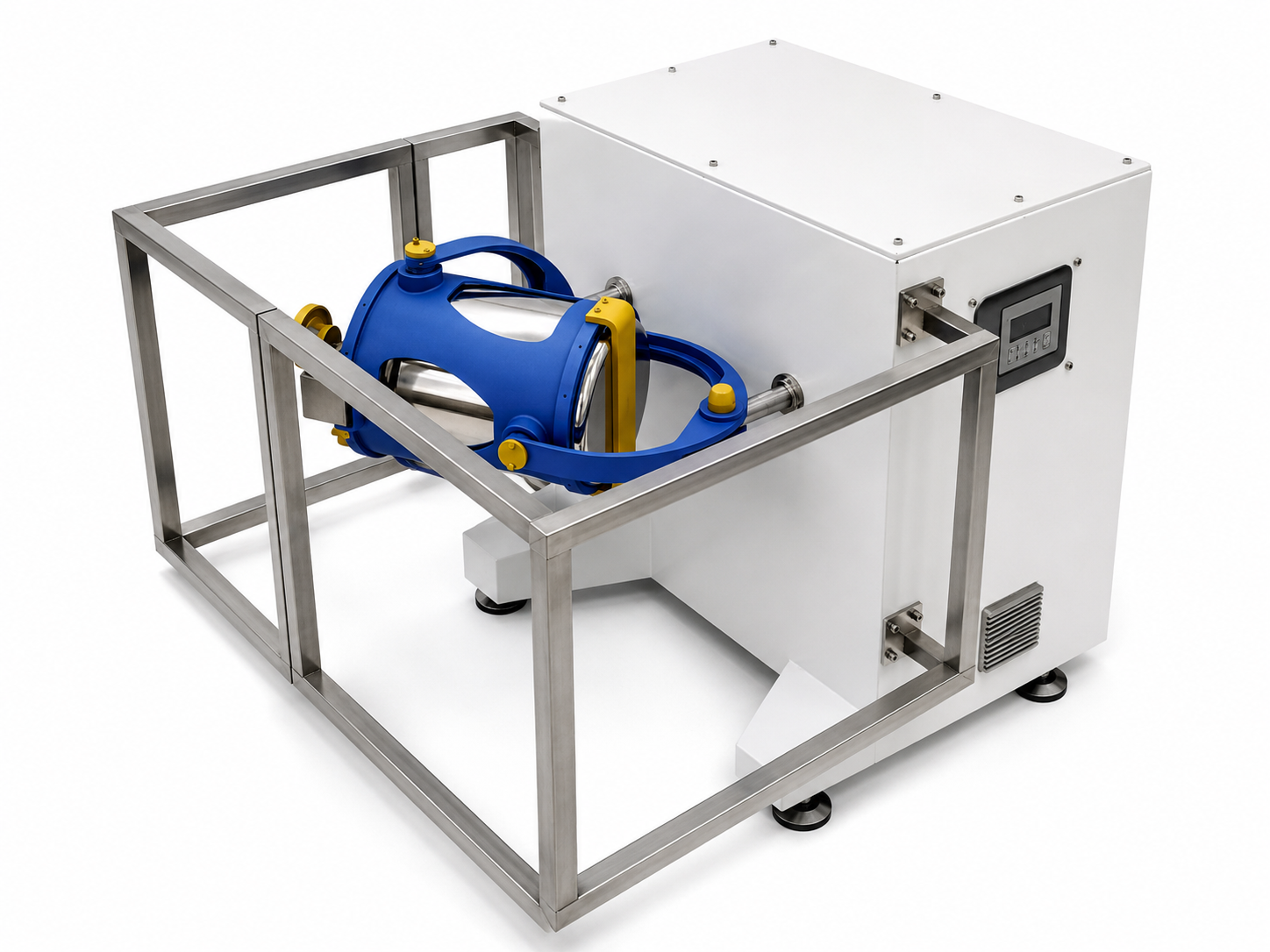
PILOT & SMALL PRODUCTION · 20 L
Alphie 20
Pilot trials and medium-batch development with a 16 L effective capacity.
- Capacity
- 20 L
- Max. mixing mass
- 30 kg
- Motion
- 10–50 rpm

PILOT & SCALE-UP / POWDER BLENDING
Connect laboratory development to pilot and small-production blending. Compare Alphie 20, 35 and 50 models, with 20–50 L nominal capacity and programmable 3D inversion mixing.
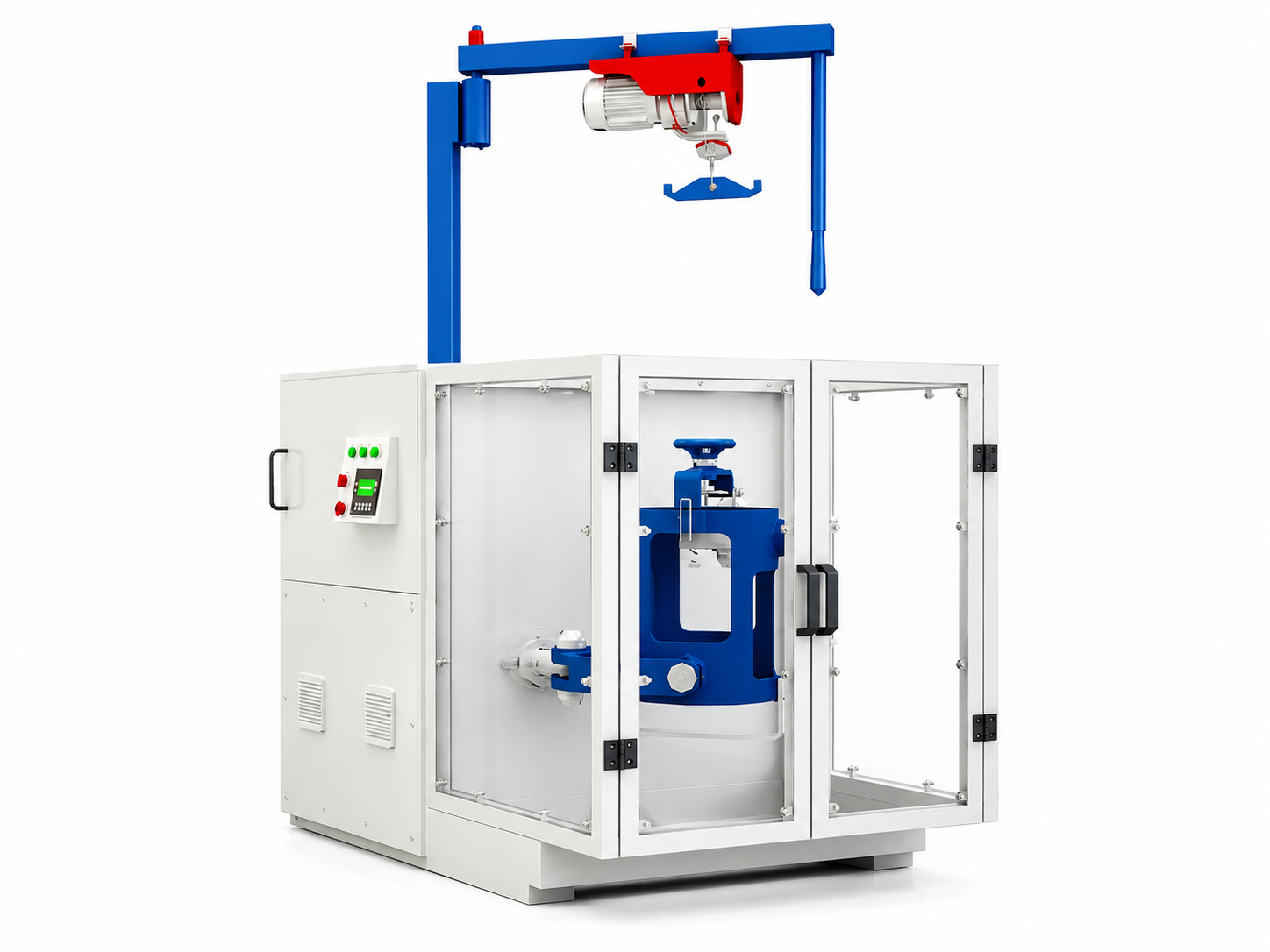
THREE MODELS. ONE MIXING PRINCIPLE.
Choose by usable volume, material mass, container fit and the configuration your process needs.
PILOT & SMALL PRODUCTION · 20 L
Pilot trials and medium-batch development with a 16 L effective capacity.
PILOT & SMALL PRODUCTION · 35 L
Larger pilot batches with 28 L effective capacity and configuration-dependent loading.
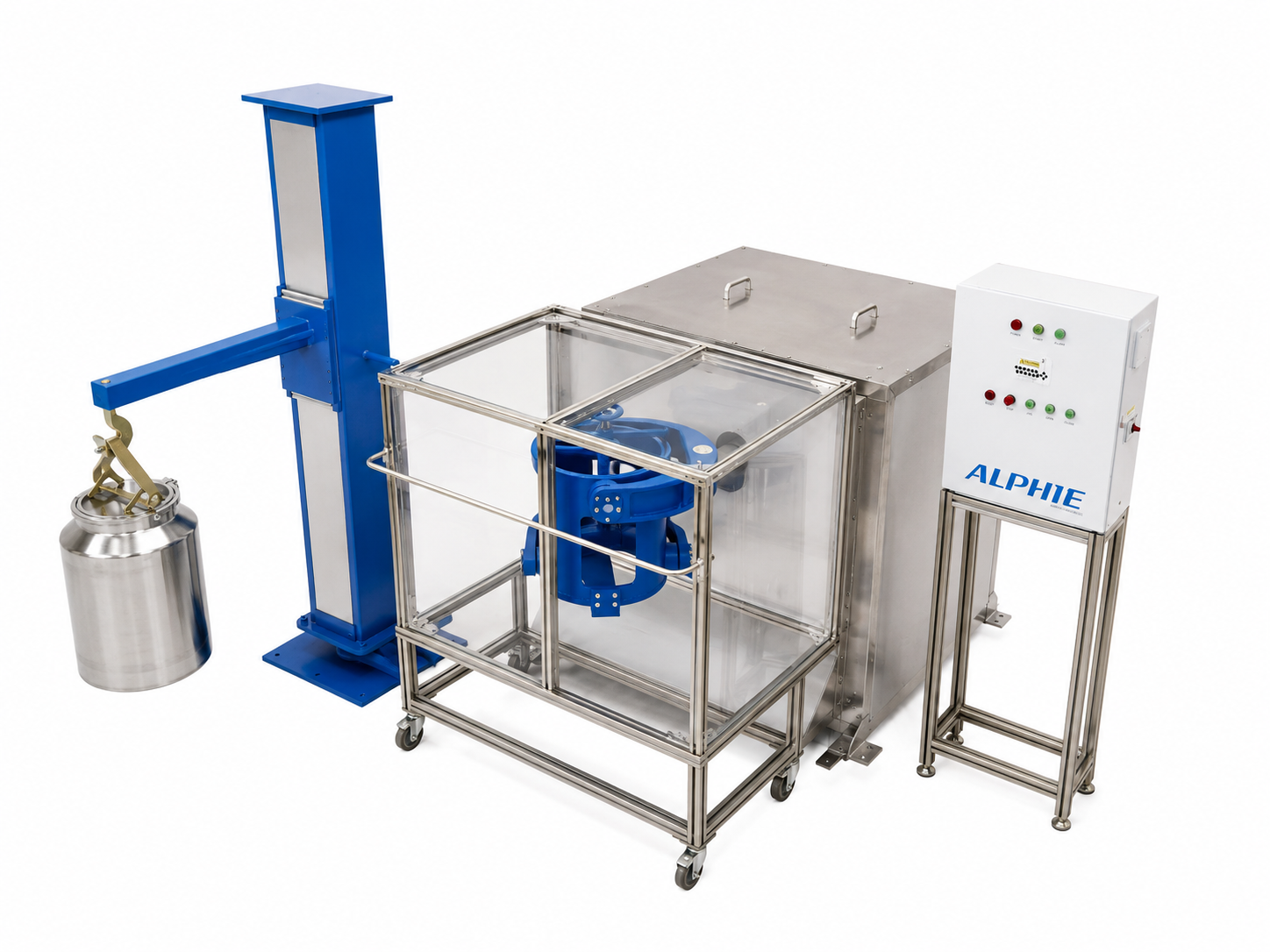
PILOT & SMALL PRODUCTION · 50 L
The largest pilot model in this range, with 40 L effective capacity.
Alphie 35 and 50 load ratings vary by configuration. Confirm the quoted motor, load and electrical combination with Glen Mills.
AT A GLANCE
Container volume and mass limits both matter. Use the effective fill and your material’s bulk density to guide the discussion.
| Specification | Alphie 20 ↗ | Alphie 35 ↗ | Alphie 50 ↗ |
|---|---|---|---|
| Nominal capacity | 20 L | 35 L | 50 L |
| Effective capacity | 16 L at 80% fill | 28 L at 80% fill | 40 L at 80% fill |
| Maximum mixing mass* | 30 kg | 40 / 60 kg | 60 / 90 kg |
| Container revolution | 10–50 rpm | 10–40 rpm | 10–40 rpm |
| Motor power* | 1.0 hp | 1.0 / 1.5 hp | 3.0 / 5.0 hp |
| Electrical supply* | 110 V | Single-phase 110 V or three-phase 220 V | Three-phase 220 V |
| Process control | Programmable speed, time & direction | Programmable speed, time & direction | Programmable speed, time & direction |
*Published alternatives depend on the selected configuration. Confirm vessel compatibility, working fill, electrical requirements and suitability for your material.
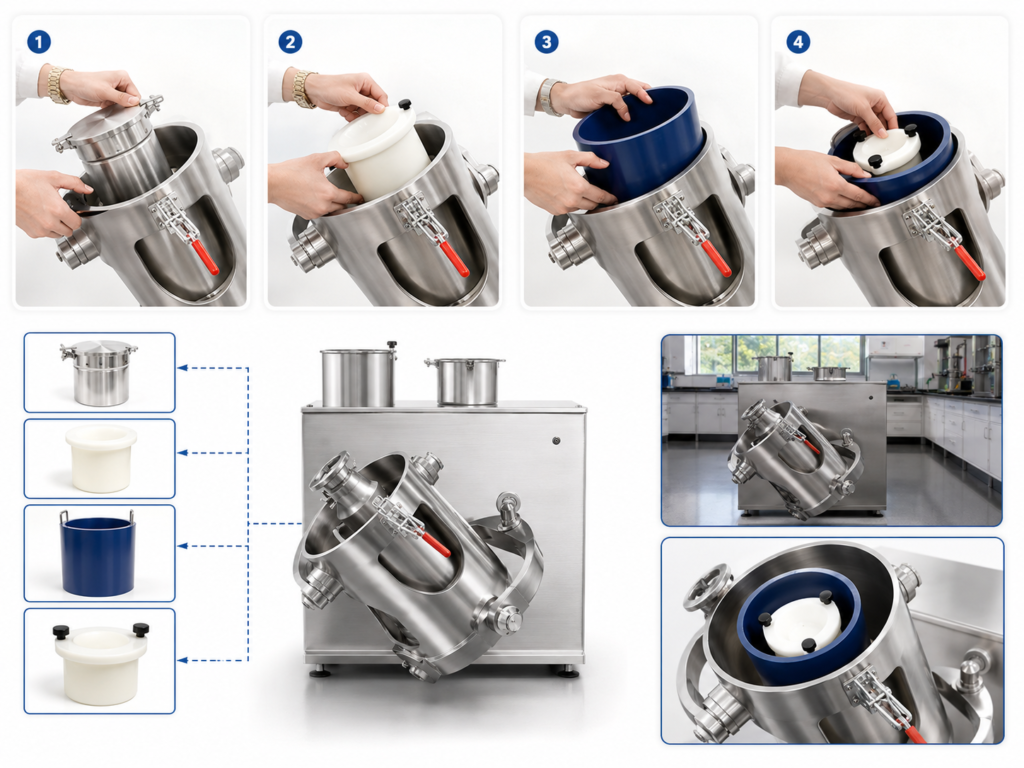
ONE MIXER. DIFFERENT BATCHES.
Interchangeable holders and adapter inserts support compatible vessel sizes within the main cradle. Match the removable container to the batch, product-contact requirements and cleaning process.
DEVELOP THE PROCESS, TOO
Use pilot trials to understand the operating conditions, blend quality and handling before choosing the next configuration.
Bring bulk density, component ratios, particle sizes and the required working volume. Account for both vessel fill and the model’s mixing-mass limit.
Evaluate mixing time, speed, direction and sampling against your target result. Discuss feasibility tests or a rental trial using your own analytical methods.
Review sanitary construction, guards, containment, controlled-atmosphere options and documentation needs alongside loading and unloading.
STARTING WITH A SMALLER BATCH?
Compare the manual 2 L, Alphie 3 and Alphie 10 laboratory models.
MATERIALS & APPLICATIONS
Powders, liquids and suspensions require an application-specific review of the blend and operating conditions.
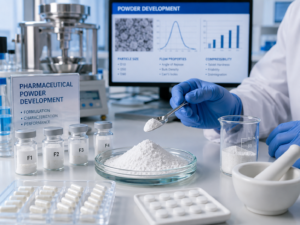
Formulations, excipients and low-concentration ingredients.
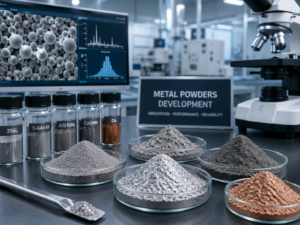
Development blends with varying particle sizes and densities.
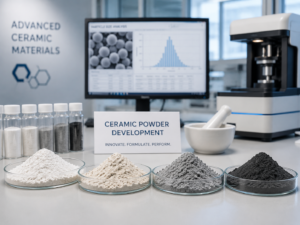
Ceramic powder formulations and development batches.
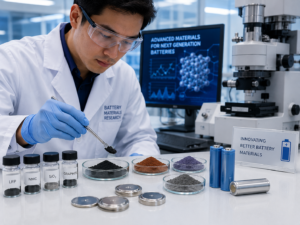
Sensitive materials and controlled-atmosphere requirements.
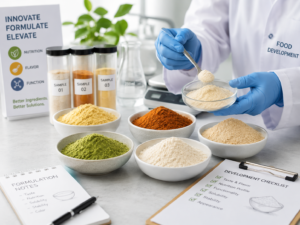
Spices, nutritional powders, flavors and concentrates.
PROVE THE PROCESS
Evaluate the blend, container and operating conditions before selecting a configuration. Discuss feasibility testing, representative samples or a rental for trials in your own facility.