
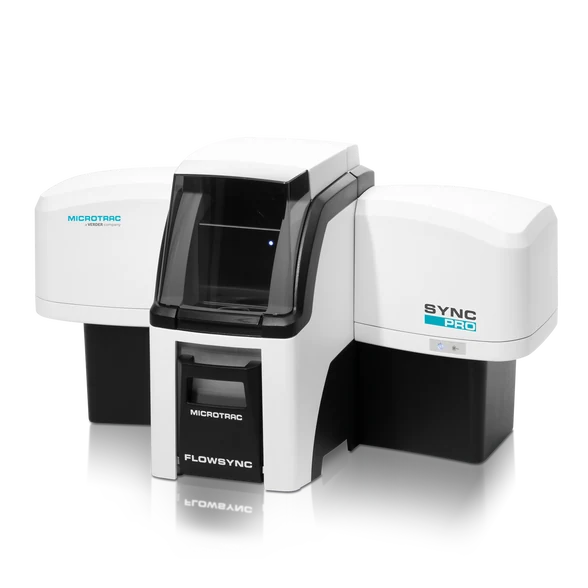
What does image analysis add to a laser-diffraction result?
It provides particle-level visual and shape information that a spherical-equivalent distribution alone cannot show. Use the complementary data to investigate the specific material question.
A similar median size can accompany different particle shapes, while images can help explain an apparent broad or multimodal distribution. Define the decision before choosing which outputs to retain. The additional observations should clarify the sample rather than become extra numbers without a stated use.
Planning combined size and shape analysis
Use complementary outputs to investigate a defined material question. A size distribution and a particle image describe related but different information. Select the parameters that can reveal the quality issue, preserve their definitions and examine a representative sample before deciding whether two materials should be considered equivalent.
What to bring to an application discussion
| Consideration | Information to provide |
|---|---|
| Measurement goal | Size distribution or shape-related issue |
| Sample condition | Dispersion and representative amount |
| Output selection | Relevant images and parameters |
Questions before selecting a configuration
How can Glen Mills help with this application?
Share measurement goal, sample condition, output selection when you contact Glen Mills for further information or a quote. This helps focus the discussion on the preparation and evaluation described here.
How should a measurement result be assessed?
Use the size definition, distribution basis and acceptance criteria required by your measurement method. Discuss particle measurement with Glen Mills when a representative trial is needed to evaluate the configuration.
Explore particle characterization equipment
Review the equipment details and discuss the supported configuration for your sample.